Have you ever lost your keys and wished you could find them instantly? Or worried about your car when you park in a busy city? That is exactly where a tracqueur comes in handy. A tracqueur is a device or system that helps you track people, vehicles, pets, or valuable items. In simple words, it tells you exactly where something is at any given moment.
Tracking technology has become a big part of our daily lives. Whether you are a parent wanting to keep an eye on your child, a business owner managing a delivery fleet, or just someone who misplaces things often, a tracqueur can give you peace of mind. These systems use different methods like GPS satellites, Wi-Fi signals, or Bluetooth to pinpoint locations. The best part? Many modern trackers are small, affordable, and easy to use.
In this guide, we will explore everything you need to know about the tracqueur. You will learn how it works, the different types available, and how to pick the right one for your needs. By the end, you will feel confident about using tracking technology to make your life safer and more convenient.
What Exactly Is a Tracqueur?
The word tracqueur comes from French and means “tracker”. In today’s world, it refers to any tool that monitors and records movement or activity. Think of it as a digital detective that follows the trail of whatever you attach it to.
A tracqueur can be hardware, software, or a mix of both. For example, a small GPS device you put in your car is a hardware tracqueur. A website tracking tool that shows how many people visit your page is a software tracqueur. Both serve the same purpose: they collect data and give you useful information.
What makes a tracqueur so valuable is its ability to provide real-time updates. You do not have to wait hours or days to know where something is. The information comes to you instantly through an app or dashboard. This speed and accuracy have made tracqueur systems essential for businesses, families, and even governments.
How Does a Tracqueur Work?
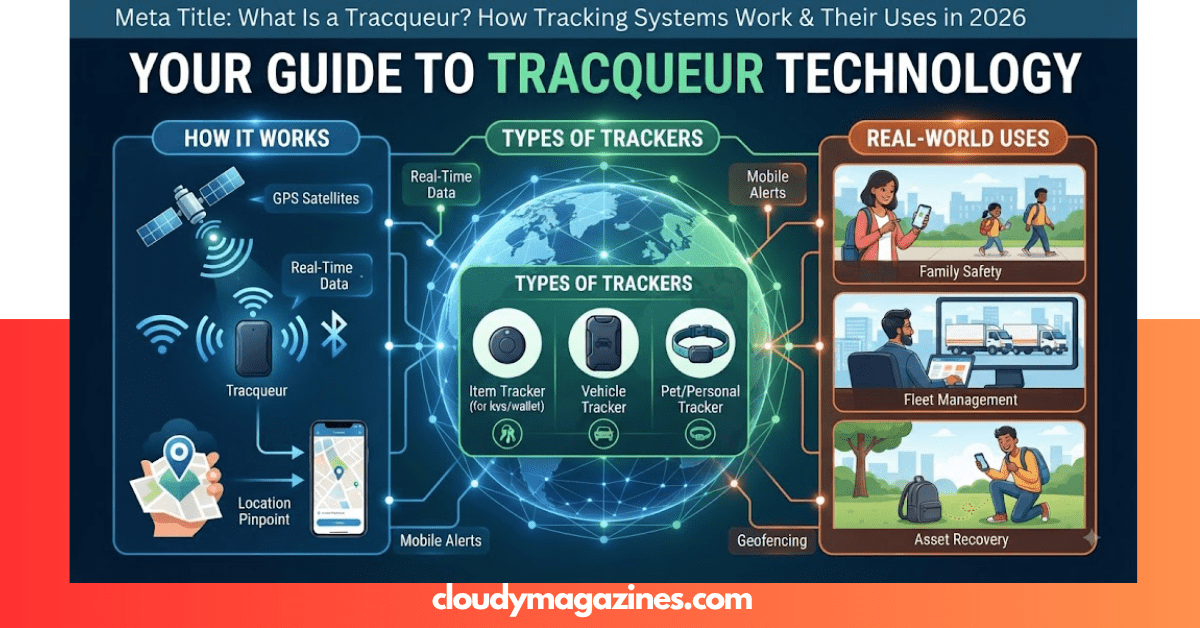
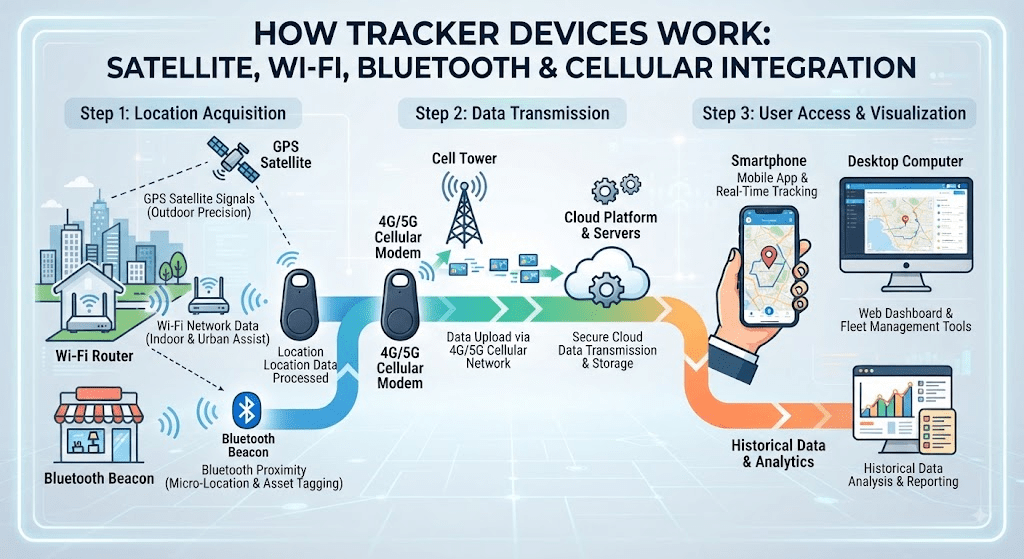
A tracqueur works by gathering signals from different sources. For GPS trackers, the device picks up signals from satellites orbiting the Earth. These satellites send location data to the tracker, which then transmits that information to your phone or computer.
The process happens in a few simple steps. First, the tracqueur senses its position using GPS, Wi-Fi, or Bluetooth. Next, it sends this data over a network like 4G, 5G, or satellite. Then, a cloud platform processes the information and displays it on your screen. Finally, you receive alerts or see the location on a map. All of this happens in seconds.
Different tracqueur systems use different methods. Some rely on GPS for outdoor tracking with meter-level accuracy. Others use Bluetooth beacons for indoor locations. More advanced systems combine multiple technologies to give you the best possible results. The key is choosing the right type for your specific needs.
Types of Tracqueur Systems You Should Know
Not all tracqueur devices are the same. Each type serves a different purpose and works in a unique way. Here are the most common ones you will find in the market.
GPS Tracqueur
A GPS tracqueur uses satellite signals to find exact locations. These are great for tracking vehicles, pets, and people outdoors. They work anywhere in the world and provide accurate, real-time data. Many car owners use a GPS tracqueur to protect their vehicles from theft. Fleet managers also rely on them to monitor delivery trucks and improve routes.
Bluetooth Tracqueur
Bluetooth tracqueur devices are small and perfect for finding everyday items like keys, wallets, or bags. They work within a short range, usually up to 100 meters. When you lose something, you can use your phone to make the tracqueur beep or show its last known location. These are affordable and very popular for personal use.
Wi-Fi Tracqueur
Wi-Fi tracqueur systems use wireless network signals to track devices. They work well indoors and in cities where GPS signals might be weak. Stores and malls often use Wi-Fi tracqueur technology to understand customer movements and improve shopping experiences.
Cellular IoT Tracqueur
Cellular IoT tracqueur devices use mobile networks to send location data. They do not need Wi-Fi or Bluetooth to work. This makes them ideal for tracking assets that move across long distances. These tracqueur systems are common in logistics, agriculture, and industrial settings.
Digital Tracqueur (Software)
Not all tracqueur tools are physical devices. Digital tracqueur systems track online activity. Websites use them to see how many visitors they get and what pages people view. Marketers use digital tracqueur tools to measure ad performance and customer behavior. These software trackers help businesses make smarter decisions.
Common Uses of a Tracqueur in Daily Life
A tracqueur is not just for tech experts or big companies. Ordinary people use them every day for many practical reasons. Here are some of the most common ways people use tracking systems.
Vehicle Security and Monitoring
Car theft is a major concern for many drivers. A tracqueur installed in your vehicle can help you find it quickly if someone steals it. You can see the exact location on your phone and share it with the police. Some tracqueur systems also send alerts if your car moves without your permission.
Parents also use tracqueur devices to monitor teenage drivers. They can see if the car is speeding or if the driver is braking too hard. This helps teach safe driving habits and gives parents peace of mind.
Pet Safety
Losing a pet is every owner’s nightmare. A small tracqueur attached to your dog or cat’s collar can show you their location at all times. You can set up virtual fences that alert you if your pet wanders too far. Many pet owners find this technology life-saving.
Personal Safety
A tracqueur can also keep people safe. Elderly family members with memory issues can wear a tracker so you always know where they are. Children can carry a tracqueur device when they go to school or play outside. Solo travelers often use personal trackers with SOS buttons for emergencies. These devices provide an extra layer of security for your loved ones.
Asset Tracking
Businesses use tracqueur systems to track valuable equipment and inventory. Construction companies put trackers on expensive tools to prevent loss. Shipping companies use tracqueur devices to monitor cargo containers during transport. This reduces theft and improves efficiency.
Fleet Management
Companies with many vehicles use a tracqueur to manage their fleets. They can see where each truck is, how fast it is going, and when it will arrive. This helps save fuel, reduce delays, and improve customer service. A good tracqueur system can save a business thousands of dollars every year.
Benefits of Using a Tracqueur
Why should you consider using a tracqueur? The benefits go beyond just knowing where things are. Here are some compelling reasons to invest in tracking technology.
Peace of Mind
The biggest benefit of a tracqueur is the peace of mind it brings. You no longer have to worry about losing your car, your pet, or your child. You can check their location anytime from your phone. This reduces stress and helps you feel more in control.
Theft Prevention and Recovery
A tracqueur makes it much harder for thieves to get away with your property. If someone steals your vehicle or equipment, you can track it and help the police recover it. Many insurance companies even offer discounts for vehicles with a tracqueur installed.
Improved Efficiency
For businesses, a tracqueur can improve operations significantly. You can optimize delivery routes, reduce fuel costs, and ensure drivers follow schedules. This leads to happier customers and higher profits. Even small businesses benefit from the efficiency gains that tracking provides.
Better Safety
A tracqueur can save lives in emergencies. Hikers and adventurers use personal trackers to call for help if they get lost. Workers in dangerous jobs wear trackers so their employers know their location at all times. This quick response capability can prevent serious injuries.
Data-Driven Decisions
Digital tracqueur tools give you valuable data about customer behavior. You can see which products are popular, which ads work best, and how people use your website. This information helps you make smarter business decisions. A tracqueur is not just about location; it is about understanding patterns and improving outcomes.
How to Choose the Right Tracqueur for Your Needs
With so many options available, picking the right tracqueur can feel overwhelming. But it does not have to be. Here is a simple guide to help you choose.
Ask Yourself These Questions
Before buying a tracqueur, think about what you really need. What do you want to track? Where will it be used? How often do you need updates? Your answers will point you to the right type of tracker.
For example, if you are tracking a car that travels across the country, you need a GPS tracqueur with long battery life. If you are just keeping an eye on your keys around the house, a Bluetooth tracqueur will work perfectly.
Check Battery Life
Battery life is a crucial factor when choosing a tracqueur. Some devices last for years on a single battery. Others need charging every few days. Think about how often you want to recharge or replace batteries. For vehicles, a long-lasting tracqueur is more convenient.
Consider the Environment
Where will your tracqueur be used? GPS works best outdoors with a clear view of the sky. Indoors, you might need a Wi-Fi or Bluetooth tracqueur. If your tracker will be exposed to rain or dust, look for one with an IP68 waterproof rating. Choosing the right environment ensures your tracqueur works when you need it most.
Look at Update Frequency
Different tracqueur systems update at different speeds. Some give you real-time updates every few seconds. Others update every few minutes or even hours. If you need instant alerts, choose a tracqueur with fast update times. For basic tracking, slower updates are perfectly fine.
Compare Costs
Tracqueur prices vary widely. Some cost less than $30, while others are hundreds of dollars. There may also be monthly subscription fees for cellular data. Make sure you understand the total cost before you buy. A cheaper tracqueur might end up costing more if it has high monthly fees.
Privacy and Legal Considerations for Tracqueur Users
Using a tracqueur comes with responsibilities. You must respect other people’s privacy and follow the law. Here are some important things to keep in mind.
Know the Laws
In many places, it is illegal to put a tracqueur on someone else’s property without their consent. States like California and New York have strict rules about tracking others. Always get permission before attaching a tracqueur to a car or device that does not belong to you.
Tracking your own property is completely legal and very useful. Just be careful not to cross the line into invading someone’s privacy.
Be Transparent
If you use a tracqueur for business purposes, let your employees know. Explain why you are tracking vehicles or equipment. This builds trust and avoids misunderstandings. Transparency is always the best policy when it comes to tracking.
Protect Your Data
Tracqueur systems collect sensitive information about locations and movements. Make sure the device and app you use have strong security features. Choose reputable brands that protect your data from hackers. Your privacy matters, so do not compromise on security.
Use Responsibly
A tracqueur is a tool for safety and convenience, not for spying. Use it responsibly and ethically. Respect boundaries and focus on protecting what matters to you. When used correctly, a tracqueur can be a positive addition to your life.
The Future of Tracqueur Technology
Tracking technology is evolving fast. The tracqueur of tomorrow will be even smarter and more useful. Here is a glimpse of what is coming.
Better Accuracy
New technologies like Ultra-Wideband (UWB) can provide centimeter-level accuracy. This means a tracqueur will know exactly where something is, down to a few inches. This level of precision will open up new possibilities for indoor tracking and navigation.
Longer Battery Life
Battery technology is improving all the time. Future tracqueur devices will last even longer on a single charge. Some may even use solar power or energy harvesting to stay charged indefinitely. This will make tracking more convenient than ever.
Smarter Analytics
Digital tracqueur tools will become more intelligent with artificial intelligence. They will not just tell you where something is. They will predict where it is going and suggest actions you can take. This will help businesses and individuals make even better decisions.
Integration with Smart Homes
Your tracqueur will soon connect with other smart devices in your home. Imagine your tracker telling your lights to turn on when you arrive. Or your security system activating when your tracqueur detects movement. The possibilities are endless.
Tracqueur vs. Tracker: Is There a Difference?
You might wonder if a tracqueur is the same as a tracker. The short answer is yes. They mean the same thing. The word “tracqueur” is just the French spelling, while “tracker” is the English version.
Both terms refer to devices or systems that monitor location and activity. Some people use “tracqueur” to sound more professional or technical. Others simply prefer the French term because it sounds elegant. But at the end of the day, a tracqueur and a tracker do the same job.
Detailed Comparison Table of Tracqueur Types
| Feature | GPS Tracqueur | Bluetooth Tracqueur | Wi-Fi Tracqueur | Cellular IoT Tracqueur |
| How It Works | Uses satellite signals to find location | Uses short-range radio signals to connect to your phone | Uses wireless network signals to track devices | Uses mobile networks to send location data |
| Best For | Vehicles, pets, outdoor tracking | Keys, wallets, bags, small items | Indoor tracking, urban areas | Long-distance asset tracking, fleet management |
| Range | Global coverage | Short range (up to 100 meters) | Limited to Wi-Fi network coverage | Nationwide or global (depending on network) |
| Accuracy | Meter-level accuracy outdoors | Good for close-range finding | Moderate accuracy | Moderate to high accuracy |
| Battery Life | Varies; can last years | Usually 1-2 years | Varies | Varies; often long-lasting |
| Cost | Moderate to high | Low | Moderate | Moderate to high |
| Subscription | Often requires monthly fee | Usually no subscription | Usually no subscription | Often requires monthly fee |
| Best Use Case | Vehicle security, fleet management | Finding lost everyday items | Retail analytics, indoor navigation | Logistics, industrial tracking |
Frequently Asked Questions
1. What is a tracqueur used for?
A tracqueur is used to track the location and movement of people, vehicles, pets, and valuable items. It provides real-time information through GPS, Wi-Fi, or Bluetooth technology. People use it for safety, security, and convenience.
2. Is a tracqueur the same as a GPS tracker?
Yes, a tracqueur and a GPS tracker are essentially the same thing. “Tracqueur” is the French spelling, while “tracker” is the English version. Both refer to devices or systems that monitor location and activity.
3. Can I put a tracqueur on someone else’s car?
In most places, it is illegal to put a tracqueur on someone else’s vehicle without their permission. States like California and Nevada have strict laws against this. Always get consent before tracking property that does not belong to you.
4. How accurate is a tracqueur?
The accuracy of a tracqueur depends on the technology it uses. GPS trackers offer meter-level accuracy outdoors. Bluetooth trackers work well within short ranges. UWB trackers can provide centimeter-level precision in controlled environments.
5. Do I need a monthly subscription for a tracqueur?
Some tracqueur devices require a monthly subscription for cellular data. Others, especially Bluetooth trackers, do not need any subscription. Check the product details before buying to understand all costs.
6. How long does a tracqueur battery last?
Battery life varies widely among tracqueur devices. Some last for several years on a single battery. Others need charging every few days. Choose a tracqueur with battery life that matches your needs.
Conclusion:
A tracqueur is more than just a gadget. It is a tool that brings safety, security, and peace of mind to your daily life. Whether you are protecting your car, keeping an eye on your pet, or managing a business fleet, a tracqueur gives you valuable information at your fingertips.
The technology behind a tracqueur is constantly improving. Trackers are becoming smaller, cheaper, and more accurate. They are easier to use than ever before. You do not need to be a tech expert to benefit from a tracqueur. Most devices work right out of the box with simple smartphone apps.
If you have been thinking about getting a tracqueur, now is a great time to start. Assess your needs, compare your options, and choose the right tracker for your situation. The investment is small compared to the peace of mind you will gain.
Have you used a tracqueur before? Share your experience in the comments below. And if you found this guide helpful, share it with someone who might need a tracqueur in their life. Your feedback helps us create better content for you.