
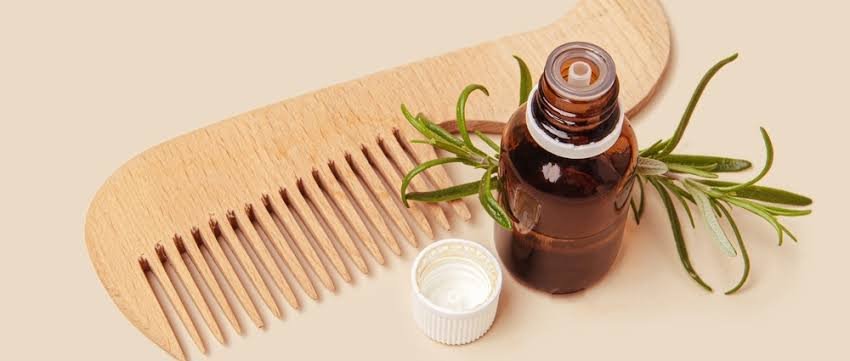
Rosemary oil has become a popular natural remedy for people hoping to achieve thicker, fuller-looking hair. From scalp massages to homemade hair treatments, it is often recommended as a simple way to support hair growth. But does rosemary oil actually thicken hair, and what should you do if you are not seeing results?
In this guide, we will explore what the research says about rosemary oil for hair growth and how to use it safely. We also discuss how to troubleshoot common problems such as scalp irritation, greasy roots, and a lack of visible progress.
Does Rosemary Oil Thicken Hair?
A small amount of scientific research does support the claim that rosemary oil thickens hair for some people. A 2025 study found that rosemary-lavender oil and rosemary-castor oil significantly improved hair growth rate, thickness, and reduced hair fall compared to coconut oil in a double-blind trial.
Rosemary oil has antioxidant, anti-inflammatory, and antimicrobial properties. They work on hair growth by soothing the scalp and improving blood circulation to improve blood supply to the hair follicles.
How to Use Rosemary Oil for Hair Growth
Pure rosemary essential oil should not be applied directly to the scalp. Always dilute essential oils with a carrier oil when applied topically. Popular carrier oils for hair treatments are jojoba oil for oily hair, and coconut oil for dry or damaged hair.
To apply rosemary oil for hair growth, dilute a few drops in a carrier oil of your choice. Then, part your hair into sections and apply a small amount of the diluted mixture to the scalp with your fingertips, focusing on the areas where you want to support hair growth. Avoid vigorous rubbing or scratching, which can irritate the scalp and contribute to hair breakage.
This is best done before bed, allowing time for the oil to sit before washing it out in the morning. You can repeat this treatment daily, or as often as needed.
Does Rosemary Oil Thicken Hair? Problems You May Encounter
Even when you follow a hair-treatment routine carefully, you may encounter problems. Here is how to troubleshoot the most common issues.
Rosemary Oil Is Not Making My Hair Thicker
If you have been using rosemary oil for several weeks and cannot see a difference, this does not necessarily mean you are doing anything wrong.
Hair growth is slow, and a few weeks is generally too short to assess changes in hair density. However, a lack of improvement may also indicate that rosemary oil is not effective for your particular type of hair loss.
Ensure that you are using a good quality rosemary oil from a reputable brand such as Wholesale Botanics, who even has bulk rosemary oil options.
Once you choose an oil, make sure you are taking photographs regularly to record the change, or lack thereof. If your hair loss persists or worsens, speak to your GP, who can prescribe stronger treatments such as minoxidil.
Rosemary Oil Makes My Hair Look Greasy and Flat
Oily roots can make hair look less voluminous, even when the amount of hair you have has not changed. Heavy carrier oils can coat the hair and weigh it down, especially if you have fine hair or an oily scalp.
What to do:
- Use a smaller amount of product
- Apply oil selectively rather than saturating the entire scalp and hair
- Choose a lighter carrier oil, such as grapeseed oil
- Wash the oil out thoroughly when the product instructions recommend rinsing
If your goal is fuller-looking hair immediately, a lightweight volumizing product may be more useful than a heavy oil treatment.
Rosemary Oil Makes My Scalp Itchy or Flaky
Itching can occur when the scalp reacts to an essential oil or another ingredient in a hair product. Rosemary oil may cause irritation or allergic contact dermatitis in some people. An itchy scalp is not a sign that the oil is stimulating hair growth.
If rosemary oil is causing scalp irritation, stop using it immediately, and wash it off with shampoo and water. If problems persist, seek medical advice, and do not attempt to use other essential oils to mitigate the problem.
Rosemary Oil for Hair Growth
Rosemary oil may support hair growth in some people, but further research is needed to establish how effective rosemary oil is and who is most likely to benefit.
If you decide to try it, use a high-quality essential oil, dilute it in a carrier oil, and monitor your scalp for irritation. Remember that more frequent application does not guarantee better results.
Most importantly, do not overlook the cause of your hair thinning. If your hair is shedding excessively, becoming progressively thinner, or developing bald patches, seek medical advice rather than relying on rosemary oil alone.