
Choosing a permanent contraception method represents a significant decision for men and couples. Among the available options, undergoing vasectomy surgery stands out as one of the most effective and reliable procedures available today. While the procedure boasts exceptionally high success rates, many men still have questions regarding the biological changes that occur internally following the operation. Understanding how the male body processes semen and seminal fluid after the procedure helps clear up common misconceptions. This article examines the biological mechanisms of the procedure, how the body adapts post-operation, and what happens to cellular production over time, ensuring you have clear, evidence-based information before making a decision.
How Vasectomy Surgery Alters the Male Reproductive Anatomy
To understand the procedure, one must look closely at the male reproductive system. Testicles produce reproductive cells continuously, which then travel through a pair of muscular tubes known as the vas deferens. During vasectomy surgery, a doctor cuts, seals, or blocks these tubes, effectively creating a physical barrier that prevents cells from mixing with ejaculate.
The Role of the Vas Deferens
The vas deferens serves as the primary pathway transporting mature cells from the epididymis toward the ejaculatory ducts. When a surgeon disrupts this pathway, the physical route for cell transit is permanently closed. Crucially, the testicles do not stop functioning after this disruption; testicular tissue continues its normal biological activity, but the exit route is no longer accessible.
Surgical Techniques and Methods
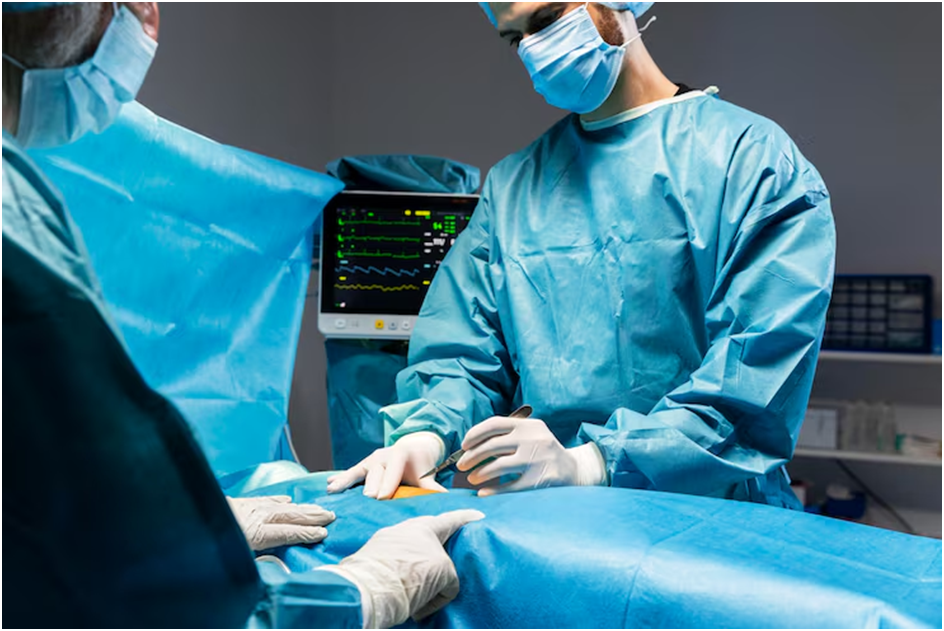
Modern medical practices utilise two main approaches: conventional incision and scalpel-free procedures. Scalpel-free techniques use a small puncture tool to access the vas deferens, resulting in minimal tissue trauma, reduced bleeding, and faster recovery times. Surgeons often use cautery, clips, or fascial interposition—placing tissue between the severed ends—to minimise the chance of the tubes spontaneously reconnecting. Regardless of the chosen technique, the fundamental anatomical outcome remains identical: complete isolation of reproductive cells from the rest of the fluid pathway.
What Happens to Sperm After Vasectomy?
A primary concern for many patients relates to the biological fate of sperm after vasectomy is performed. Because the testicles continue producing cells, patients often wonder where these cells go once their passage through the vas deferens is permanently blocked.
Natural Absorption and Cellular Breakdown
The male body possesses an efficient mechanism for handling unreleased reproductive cells. When cells accumulate in the epididymis without an exit route, they eventually break down through a natural process called phagocytosis. Specialised immune cells, known as macrophages, absorb and recycle these biological components just as they do with other aged or damaged cells in the human body. This breakdown creates no pressure build-up or discomfort for the vast majority of men, as the reabsorption rate balances out ongoing production.
Maintaining Hormone Levels and Ejaculate Volume
It is vital to understand that reproductive cells constitute less than five percent of total ejaculate volume. The prostate gland and seminal vesicles produce the vast majority of seminal fluid. Because these glands sit past the point of surgical interruption, ejaculate volume, appearance, and texture remain virtually unchanged. Furthermore, testosterone production occurs directly in the Leydig cells of the testes and travels through the bloodstream, meaning hormone levels, sexual drive, and physical stamina remain entirely unaffected by the procedure.
Post-Procedure Clearance and Testing Protocols
Sterilisation is not instantaneous following the operation. Remaining cells downstream from the surgical site must be completely flushed out before a patient can safely rely on the procedure for birth control.
The Clearance Timeline
Following the operation, active cells remain stored in the seminal vesicles and vas deferens segments located above the blockage site. It typically takes between 15 to 20 ejaculations, or roughly eight to twelve weeks, to clear these residual cells completely. During this period, couples must continue using alternative methods of contraception to avoid unexpected pregnancy.
Semen Analysis Procedures
To verify success, patients must provide a semen sample for laboratory analysis, usually at the three-month mark. Technicians examine the fluid under a microscope to confirm the complete absence of swimming cells, a state known as azoospermia. In some cases, a follow-up test may be required if rare non-motile cells persist. Relying on unconfirmed clearance poses a real risk; therefore, medical guidance dictates that alternative birth control should only be discontinued after receiving formal laboratory confirmation of zero viable sperm after vasectomy. Following these strict protocols ensures total peace of mind and guarantees that the permanent birth control goal has been achieved safely.
Long-Term Health Effects and Reversibility Considerations
Men considering permanent birth control often inquire about potential long-term bodily impacts and whether the procedure can be undone if personal life circumstances change later on down the track.
Vasovasostomy Mechanics
While intended as a permanent contraceptive solution, vasectomy surgery can sometimes be reversed through a complex microsurgical procedure known as a vasovasostomy. During a reversal, a specialist reattaches the severed ends of the vas deferens to restore the continuous pathway. However, success rates vary significantly based on how much time has elapsed since the initial operation. Over many years, the body may develop anti-sperm antibodies, which can lower overall fertility even if physical continuity is successfully re-established by the surgeon.
Systemic Health and Safety Profile
Decades of extensive clinical research show that the procedure does not increase the risk of serious long-term health conditions such as cardiovascular disease, prostate cancer, or complex autoimmune disorders. The immune system handles the localised breakdown of unreleased cells without triggering systemic inflammation. Patients can rest assured that once the initial healing period concludes and laboratory clearance is officially granted, the procedure provides safe, highly reliable, and hassle-free contraception without altering general physiology, physical strength, or intimate performance over the long term.
Final Thoughts

Undergoing a permanent sterilisation procedure is a practical and highly reliable choice for male contraception. By understanding how vasectomy surgery interrupts cell transit while allowing normal fluid production and hormone distribution to continue, men can approach the decision with confidence. The body naturally handles unreleased cells through normal cellular recycling mechanisms, preserving sexual health, stamina, and testosterone production. Following post-operative guidelines and attending mandatory laboratory verification ensures absolute certainty before relying on the procedure. With minimal recovery time and an exceptional safety profile, this time-tested medical technique remains one of the most effective family planning strategies available for men today.