
Explained
Wrinkles, slower recovery and lower energy are some of the most noticeable signs of aging. However, underneath these visible changes, a series of biological processes is taking place inside cells and tissues. Over time, these changes affect how the body repairs damage, produces energy and maintains normal functions. Understanding these processes helps explain why regenerative medicine has become an important part of the anti-aging conversation and why its limitations also need to be understood.
The Hallmarks of Aging
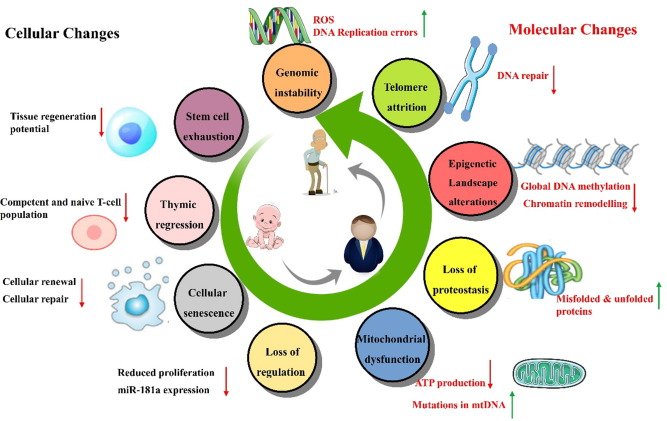
Researchers have grouped the biology of aging into a set of characteristics known as the hallmarks of aging. This framework was first published in 2013 and has been updated through subsequent research. Several of these hallmarks are particularly relevant to regenerative approaches.
- Stem Cell Exhaustion: Every tissue relies on a reserve of stem cells to repair and replace damaged cells. With age, these reserves can become smaller or less active, making the body’s natural repair processes slower.
- Cellular Senescence: Some cells stop dividing but do not die. These cells, known as senescent cells, release inflammatory signals that can affect surrounding tissues and contribute to age-related changes.
- Altered Communication Between Cells: Cells communicate through chemical signals that help coordinate their activities. As people age, these signals can become less balanced, sometimes contributing to persistent, low-grade inflammation.
- Mitochondrial Decline: Mitochondria are the energy-producing structures inside cells. Their efficiency can decrease over time, affecting the energy available for normal cellular activities.
These processes do not happen independently. They interact with one another and contribute to changes in skin firmness, joint recovery, muscle performance and energy levels over the decades. Although aging is a natural biological process, understanding these changes helps researchers investigate ways to support healthier aging.
Where Stem Cells and Exosomes Come In
Mesenchymal stem cells are adult cells found in tissues such as bone marrow, fat and umbilical cord tissue. Researchers are interested in these cells because of their potential role in tissue repair and their ability to release biological signals.
Their importance does not come only from their ability to develop into different cell types. Much of the research focuses on the signals they release, which may influence inflammation and support certain natural repair processes. Scientists are continuing to investigate how these properties could be used in regenerative medicine.
Exosomes are tiny vesicles released by cells that carry proteins and genetic material to other cells. They play a role in cellular communication by transferring biological information. Because they carry some of the signaling activity of their parent cells without being whole cells themselves, they are being studied as a separate approach in regenerative and aesthetic medicine.
Clinics that offer anti-aging stem cell therapy in Mexico typically combine these approaches into treatment packages. Some may also include IV support therapies, with the proposed protocol selected by a physician after an individual assessment. Patients should understand exactly what a treatment includes, what evidence supports it and what potential risks may be involved before making a decision.
What the Evidence Supports Today
It is important to keep expectations realistic when considering regenerative treatments. Cell-based treatments for aging are still investigational. Early studies have produced encouraging findings in certain areas, but large, long-term human clinical trials remain limited. Results can also differ from person to person depending on health conditions, treatment methods and other individual factors.
In the United States, the Food and Drug Administration (FDA) has not approved stem cell or exosome products for anti-aging use. The agency has also warned consumers about unapproved regenerative medicine offerings.
This does not mean that the field has no scientific value. Instead, it highlights the importance of careful research and responsible treatment decisions. Anyone considering a regenerative procedure should look for:
- A properly licensed clinic and laboratory, with the relevant regulatory authority clearly identified.
- Qualified physicians who explain both potential benefits and possible risks.
- Clear information about the cell source, cell count and delivery method.
- Honest discussions about current scientific evidence and treatment limitations.
- No guarantees of specific results or unrealistic promises about reversing aging.
Patients should also have enough time to ask questions and review treatment information before agreeing to any procedure.
Habits Still Do the Heavy Lifting
Whatever someone decides about regenerative treatment, everyday habits remain an important part of healthy aging. Regular strength training and aerobic exercise help maintain muscle function, mobility and cardiovascular health. Physical activity also supports overall well-being as people grow older.
Getting enough sleep gives the body time to recover and supports normal biological functions. Avoiding smoking, protecting the skin from excessive sun exposure and following a balanced diet based mainly on whole foods are also valuable habits.
Social connections and mental well-being should not be overlooked. Staying connected with family and friends, maintaining hobbies and participating in meaningful activities can contribute to a healthier and more active lifestyle.
Regenerative medicine, where appropriate, should be considered one part of a broader approach to health rather than a replacement for established healthy habits. Consistency in everyday routines can make a meaningful contribution to long-term well-being.
The Takeaway
Aging is a cellular process long before it becomes visible. Changes such as stem cell exhaustion, cellular senescence, altered communication between cells and mitochondrial decline all contribute to how tissues function over time.
Regenerative approaches aim to investigate some of these cellular changes, particularly stem cell decline and inflammation. Although the field offers interesting possibilities, many anti-aging applications are still developing and require further clinical research.
The most sensible approach involves realistic expectations, careful clinic selection, qualified medical guidance and a commitment to healthy daily habits. Understanding what science can and cannot currently demonstrate helps people make better-informed decisions about their long-term health.
You may also like
-
Challenges That Affect Mental Health and How to Address Them
-
Clothes Moths in Your Wardrobe: How to Protect Wool Before Winter
-
Grocery Store Slip and Fall Claims and Washington Law in Redmond
-
The Rough Spots Your Toothbrush Can’t Fix: When to Book a Clean
-
The Colours We See: Why Two People Can Perceive the Same Scene Differently