
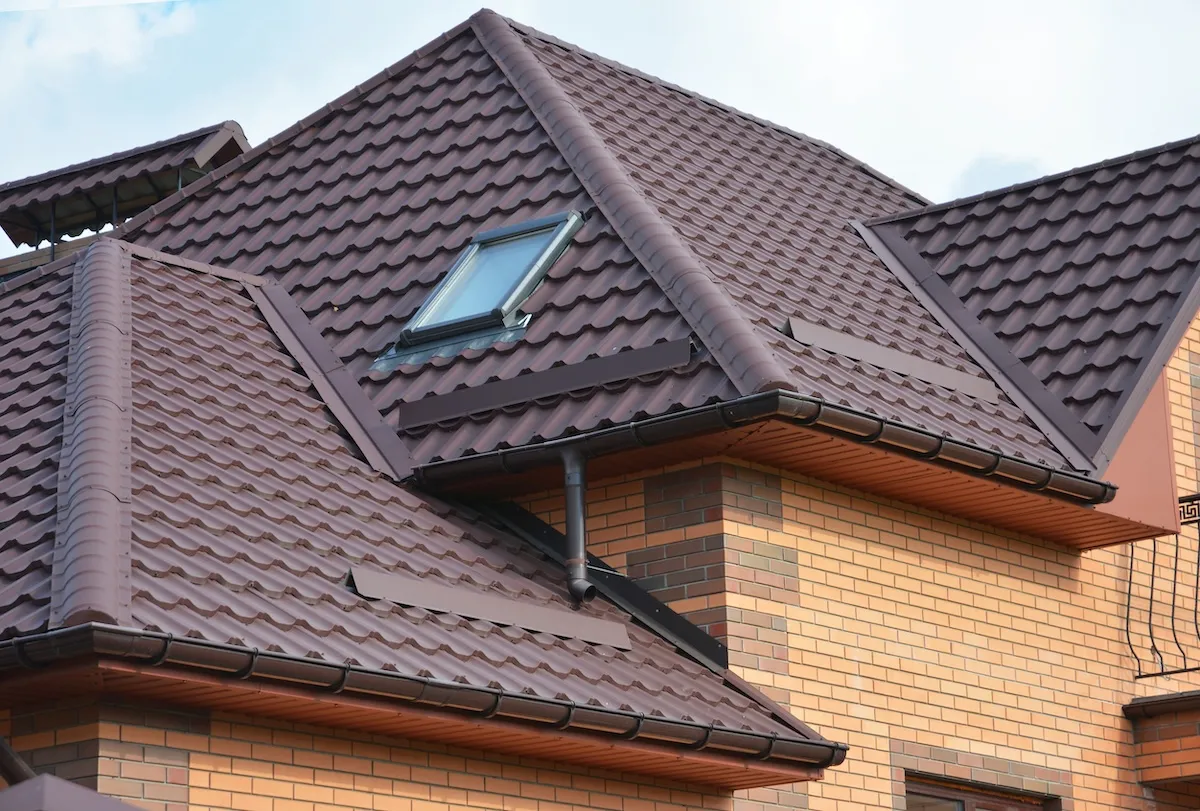
Choosing the right roofing material is a significant decision for any homeowner, especially when considering the long-term impact on your property’s value, durability, and maintenance needs. Metal panels and asphalt shingles are two of the most popular options, each offering distinct advantages and potential drawbacks. Factors such as climate, budget, aesthetic preferences, and expected lifespan all play a role in determining which material aligns with your goals. Understanding the differences between these roofing solutions can help you make an informed choice that supports your home’s protection and curb appeal for years to come.
What to Expect from This Comparison
Durability and Lifespan of Metal Panels
Metal panels are renowned for their impressive durability and longevity, making them a compelling choice for homeowners seeking a long-term roofing solution. These panels are typically made from steel, aluminum, or copper, all of which are resistant to common roofing threats such as rot, insect damage, and fire. In regions with harsh weather conditions, metal panels can withstand high winds, heavy rain, and even hail better than many other materials. Their interlocking design provides additional strength, reducing the risk of leaks and structural damage over time. With proper installation and minimal maintenance, metal roofs can last 40 to 70 years, far outpacing the average lifespan of asphalt shingles. This extended lifespan means fewer replacements and less frequent repairs, which can translate into significant savings over the years. Additionally, metal panels are less susceptible to warping, cracking, or fading, maintaining their appearance and performance for decades. For homeowners prioritizing longevity and resilience, metal panels offer a reliable and enduring roofing solution.
Asphalt Shingles: Affordability and Versatility
Asphalt shingles remain a popular roofing choice due to their affordability and wide range of styles and colors. They are generally less expensive to purchase and install compared to metal panels, making them an attractive option for homeowners working within a tighter budget. Asphalt shingles are also easier to repair or replace, as damaged sections can be swapped out without disturbing the rest of the roof. This accessibility can help keep maintenance costs manageable over the life of the roof. In terms of design, asphalt shingles offer a variety of textures and hues, allowing homeowners to match their roof to the architectural style of their home. While asphalt shingles typically last 15 to 30 years, advances in manufacturing have led to improved durability and weather resistance. However, they are more vulnerable to damage from severe weather, such as high winds or hail, and may require more frequent repairs in areas with extreme climate conditions. For those seeking a balance between cost and aesthetic flexibility, asphalt shingles provide a practical and visually appealing option. Homeowners in the area often turn to Roofing O’Fallon for guidance on selecting the right material for their specific needs.
Energy Efficiency and Environmental Impact
Metal panels and asphalt shingles differ significantly in their energy efficiency and environmental impact. Metal roofs are highly reflective, meaning they can deflect a substantial portion of the sun’s rays, helping to keep homes cooler during hot summer months. This reflective property can reduce cooling costs and improve overall energy efficiency, especially in regions with intense sunlight. Many metal panels are also made from recycled materials and are fully recyclable at the end of their lifespan, making them a more sustainable choice for environmentally conscious homeowners. In contrast, asphalt shingles tend to absorb more heat, which can increase cooling demands and energy bills. While some manufacturers have developed energy-efficient asphalt shingles with reflective granules, these products may not match the performance of metal panels. Additionally, asphalt shingles contribute to landfill waste when replaced, as they are not as easily recycled. Considering energy efficiency and environmental impact can help homeowners choose a roofing material that aligns with their values and long-term cost savings.
Maintenance Requirements
Maintaining a roof is an ongoing responsibility that can influence the overall cost and convenience of homeownership. Metal panels generally require less maintenance than asphalt shingles, thanks to their resistance to common issues like mold, mildew, and insect infestation. Occasional inspections and cleaning are usually sufficient to keep a metal roof in good condition. On the other hand, asphalt shingles may need more frequent attention, especially after severe weather events. Shingles can become loose, cracked, or missing, necessitating prompt repairs to prevent leaks and water damage. Moss and algae growth are also more common on asphalt roofs, particularly in humid climates, and may require regular cleaning or treatment. The ease of maintenance for metal panels can be a significant advantage for homeowners who prefer a low-maintenance solution, while those comfortable with periodic upkeep may find asphalt shingles to be a manageable option.
Aesthetic Appeal and Curb Value
The visual impact of your roof plays a crucial role in your home’s curb appeal and overall value. Metal panels offer a sleek, modern appearance that can complement contemporary architectural styles, but they are also available in designs that mimic traditional materials like slate or tile. The variety of finishes and colors allows homeowners to customize their roof to suit their personal taste and the character of their neighborhood. Asphalt shingles, meanwhile, are known for their classic look and versatility. They can be found in a wide array of colors and textures, making it easy to achieve a cohesive and attractive exterior. The choice between metal panels and asphalt shingles often comes down to personal preference and the desired aesthetic for your home. Both materials can enhance curb appeal when chosen thoughtfully, but it’s important to consider how each option will age and maintain its appearance over time.
Installation Considerations
The installation process for roofing materials can affect both the timeline and cost of your project. Metal panels typically require professional installation due to their size, weight, and the need for precise alignment and fastening. This process can take longer and may involve higher labor costs compared to asphalt shingles. However, once installed, metal panels provide a seamless and secure barrier against the elements. Asphalt shingles are generally quicker and easier to install, which can reduce labor expenses and minimize disruption to your daily routine. Their lighter weight also makes them suitable for a wider range of roof structures without the need for additional reinforcement. When planning a roofing project, it’s important to factor in the installation requirements of each material, as well as the availability of qualified contractors in your area.
Weather Resistance in O’Fallon
Weather conditions in O’Fallon can be unpredictable, with hot summers, cold winters, and occasional severe storms. Metal panels are particularly well-suited to withstand these challenges, offering superior resistance to wind, hail, and temperature fluctuations. Asphalt shingles can perform well in moderate climates but may require more frequent repairs or replacement in areas prone to extreme weather. Homeowners should consider local climate patterns when selecting a roofing material to ensure long-term performance and protection.
Conclusion
Selecting between metal panels and asphalt shingles involves weighing factors such as durability, cost, energy efficiency, maintenance, and aesthetic preferences. Metal panels offer exceptional longevity, low maintenance, and energy savings, making them a strong choice for those seeking a long-term investment. Asphalt shingles provide affordability, versatility, and a classic appearance, appealing to homeowners who prioritize initial cost and design flexibility. Both materials have their merits, and the right choice depends on your unique needs, budget, and long-term plans for your home. By carefully considering the characteristics of each option and how they align with your goals, you can make a confident decision that enhances your property’s value and comfort for years to come.