
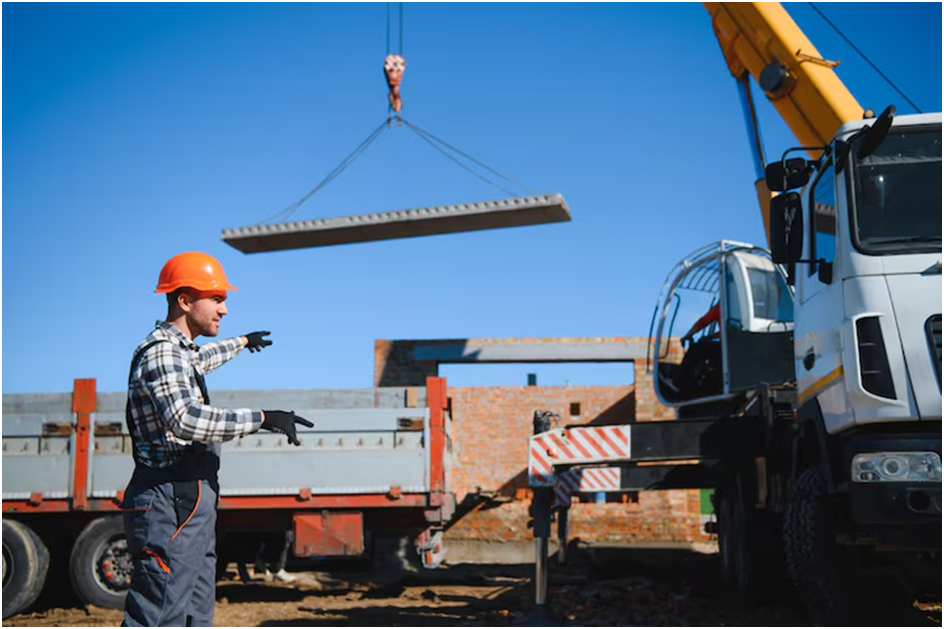
Relocating industrial machinery across Sydney demands rigorous planning and the right haulage equipment. While standard flatbed trailers manage everyday palletised freight effectively, heavy machinery requires specialised lifting capabilities. Hiring standard haulage vehicles without integrated loading systems often leads to operational delays, increased hire costs, and complex site logistics. Professional crane truck services bridge this gap by combining transport capacity with onboard hydraulic lifting arms. Whether you manage a commercial construction site in North Sydney or an industrial facility in Western Sydney, understanding when to upgrade from a basic transport truck to a crane truck ensures your projects run on schedule, safely, and within budget.
The Limitations of Standard Transport Trucks
Standard haulage trucks are engineered to move items efficiently from point A to point B, but they rely heavily on external infrastructure for loading and unloading. On a traditional job site, a flatbed vehicle requires either an overhead gantry, a forklift, or a separate mobile crane to transfer heavy gear off the tray. If your delivery destination lacks a forklift with adequate tonnage ratings or features restricted overhead space, a basic truck quickly creates a severe bottleneck.
Loading and Unloading Bottlenecks
Furthermore, relying on external loading equipment introduces unpredictable variables to your schedule. Hiring a dedicated mobile crane alongside a standard trailer means coordinating two separate arrival times on congested Sydney roads. If the mobile crane experiences traffic delays along the M4 or M7, your transport truck sits idle, accumulating hourly standby fees. Experienced heavy equipment movers in Sydney recognise that relying on separate lifting equipment often inflates operational budgets needlessly. Standard trucks also struggle on uneven terrain, soft soil, or tight residential streets where positioning a secondary forklift or crane is physically impossible. When site access is tight or lifting infrastructure is absent, standard haulage methods fall short of project requirements.
What Makes a Crane Truck Essential?
A crane truck, commonly referred to as a HIAB or boom truck, integrates a heavy-duty hydraulic crane directly onto the chassis of the vehicle. This design transforms a single vehicle into a self-sufficient loading, haulage, and placement system. The articulated crane arm reaches over obstacles, lifts items directly from elevated platforms, and places materials precisely where tradespeople need them.
Versatility and Self-Sufficient Rigging
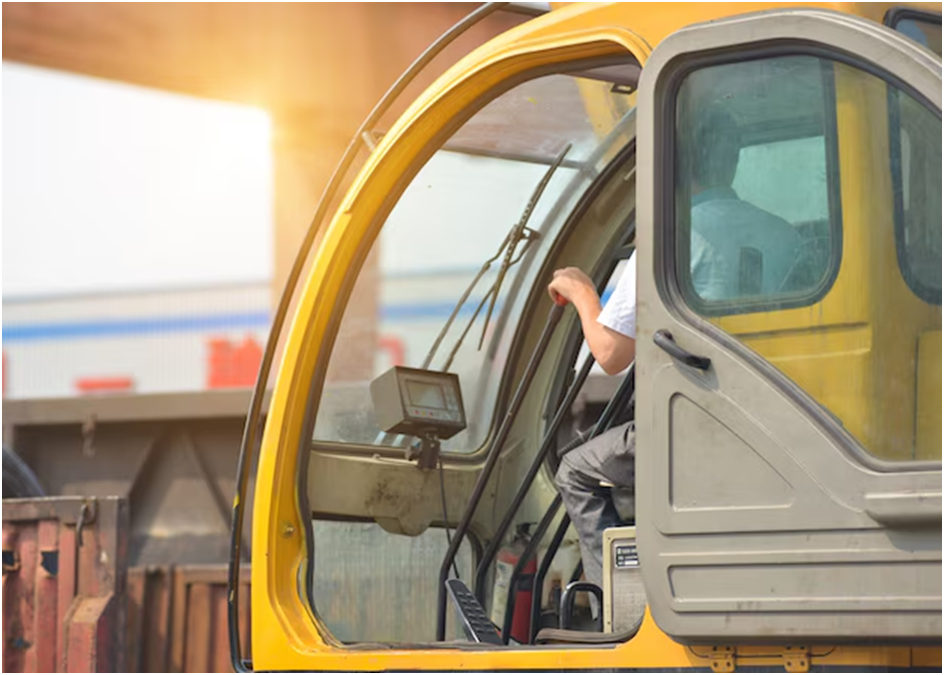
Engaging specialised crane truck services offers unmatched versatility across urban environments. Sydney construction sites frequently present spatial challenges, including narrow heritage streets in Surry Hills or crowded work zones in the CBD. A crane truck requires only a single parking footprint to conduct its entire loading and unloading cycle. Outriggers extend from the vehicle chassis to provide structural stability, allowing the operator to lift multi-ton loads over fences, site hoardings, or structural walls. This capability eliminates the need for manual handling or secondary site equipment. Because the driver is typically a certified crane operator and dogman, the entire operation proceeds with streamlined efficiency and strict compliance with SafeWork NSW regulations.
Key Scenarios Demanding Integrated Lifting Power
Certain industrial materials cannot be safely or practically moved using standard forklifts. Oversized electrical transformers, commercial HVAC units, steel structural beams, and precast concrete panels require precise overhead rigging. Attempting to lift these items using inadequate equipment risks damaging sensitive components, straining site infrastructure, or compromising worker safety.
Site Access and Complex Infrastructure
Temporary site infrastructure also demands self-loading transport solutions. Relocating site sheds, shipping containers, and heavy diesel generators between active building sites requires immediate lifting capability upon arrival. Reputable heavy equipment movers in Sydney frequently deploy crane trucks for these precise tasks. Consider a scenario where a backup generator must be placed on an elevated concrete slab behind a commercial building. A standard tray truck can transport the generator to the site, but it cannot lift it over the retaining wall. A crane truck solves both problems simultaneously, picking up the unit from its original site, transporting it safely across town, and slinging it directly onto the slab in a single movement.
Cost Efficiency and Streamlined Logistics
While the hourly rate for a specialised vehicle may appear higher than a standard flatbed, the total cost of operation tells a very different story. Managing complex site relocations with separate transport and rigging vendors leads to bloated administrative overheads, multiple call-out fees, and heightened risk of schedule clashes.
Eliminating Double Handling
By choosing integrated crane truck services, project managers combine two critical line items into one contract. You pay for one vehicle, one certified operator, and one journey. This consolidation drastically reduces site congestion, which is particularly vital for urban Sydney sites with strict council traffic management plans. Furthermore, crane trucks reduce labour requirements on site. Rather than assembling a team of workers to manually offload heavy items or operate hired forklifts, the crane driver handles the entire procedure safely. Eliminating double handling minimises the risk of product damage during transit and offloading, providing clear financial benefits for long-term civil, commercial, and residential building projects.
Selecting the Right Transport Partner in Sydney
Selecting the right transport partner requires assessing fleet capabilities, safety certifications, and local geographical experience. Moving high-value industrial machinery across Greater Sydney involves managing tunnel height restrictions, axle weight limits, and council road permits.
Safety Compliance and Fleet Capability
When evaluating professional heavy equipment movers in Sydney, verify that their fleet includes a range of crane capacities, from light rigid models suited to narrow alleys to heavy-duty multi-axle combinations for massive payloads. Inspect their safety records and ensure their operators hold valid High Risk Work Licences for crane operations and dogging. Local expertise is equally crucial; experienced drivers know how to manoeuvre around Sydney traffic bottlenecks and comply with specific transport corridors like the Rozelle Interchange or M4 Smart Motorway. A reliable transport provider will conduct thorough pre-job risk assessments, evaluate site ground conditions for outrigger placement, and ensure every lift strictly meets Australian Standards (AS 2550.1).
Conclusion

Managing the logistical challenges of machinery transport in Sydney requires choosing equipment tailored to the specific demands of your site. While standard trucks remain valuable for basic freight, heavy equipment moving requires the integrated lifting power, precision, and versatility of a crane truck. Investing in integrated transport solutions eliminates the need for extra site machinery, reduces overall labour costs, and minimises project downtime. By partnering with experienced lifting and transport professionals who understand Sydney roads and safety regulations, you guarantee that your heavy machinery, structural elements, and site assets arrive safely and land exactly where they are needed.