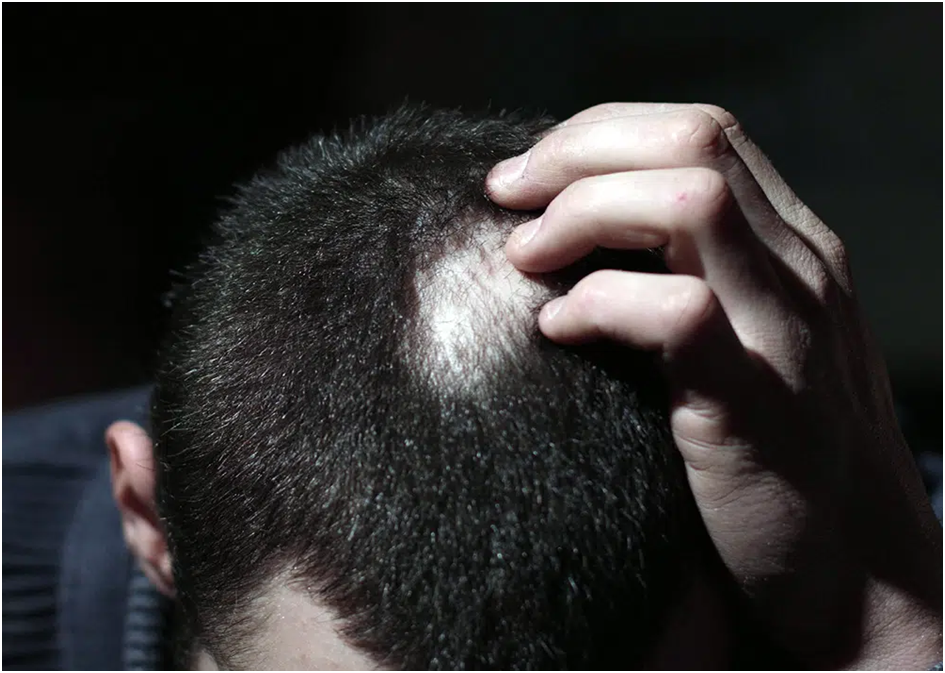
Hair loss affects millions of men and women, often impacting self-confidence and personal well-being. Fortunately, medical advancements now offer effective solutions ranging from surgical restoration to non-invasive therapies. Individuals seeking a permanent solution to thinning hair frequently opt for a hair transplant in Melbourne in Florida. Brevard County residents no longer need to travel far to access world-class clinical care tailored to their specific hair patterns. Understanding the full journey—from your initial sitting with a specialist to seeing full hair density return—helps set realistic expectations and guarantees optimal outcomes. Modern clinics combine advanced surgical precision with regenerative therapies to deliver natural-looking, lifelong hair restoration results.
Understanding Modern Hair Restoration Options
Selecting the right hair restoration technique depends heavily on individual goals, scalp health, and the extent of hair thinning. Follicular Unit Extraction (FUE) and Follicular Unit Transplantation (FUT) remain the two primary surgical methods used today. FUE involves extracting individual hair follicles directly from donor areas, usually the back of the head, leaving microscopic, barely visible scars. In contrast, FUT removes a small strip of tissue from the donor site, yielding high graft counts for patients requiring extensive coverage.
Matching Techniques to Patient Needs
During clinical evaluations, specialists analyze hair density, curl pattern, and donor availability to recommend the optimal path forward. Obtaining a hair transplant in Melbourne in Florida gives local patients access to these state-of-the-art surgical approaches without the need for long-distance travel. Surgical hair restoration permanently relocates healthy, DHT-resistant hair follicles into thinning or balding zones. Once established, these transplanted hairs grow naturally and continue to produce new hair for decades. Surgeons evaluate skin elasticity and follicular unit group sizes to determine which method delivers the most natural density. Combining surgical techniques with custom post-operative hair care plans optimizes graft survival rates, making modern restoration safer and more reliable than ever before.
The Initial Consultation and Scalp Assessment
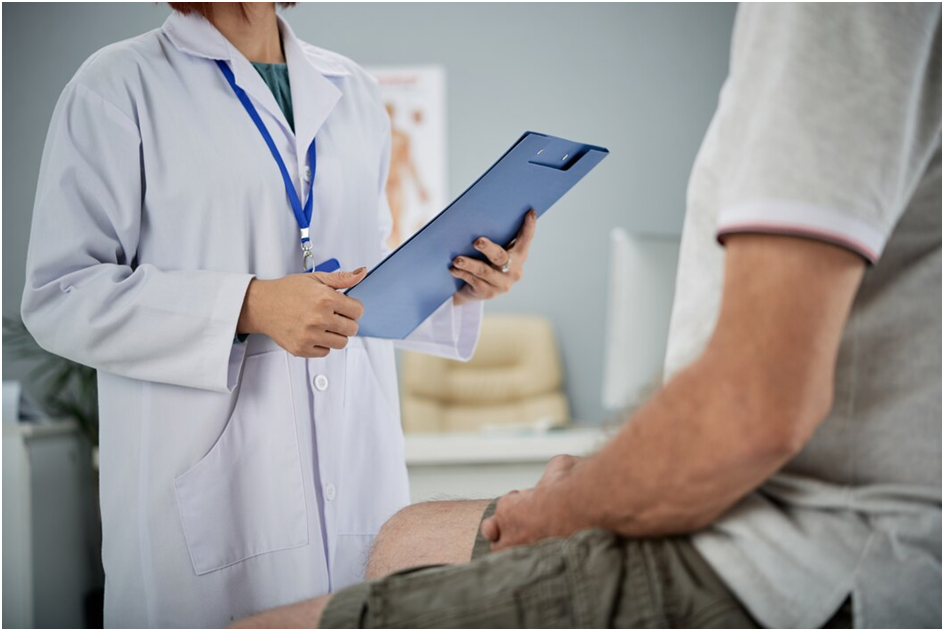
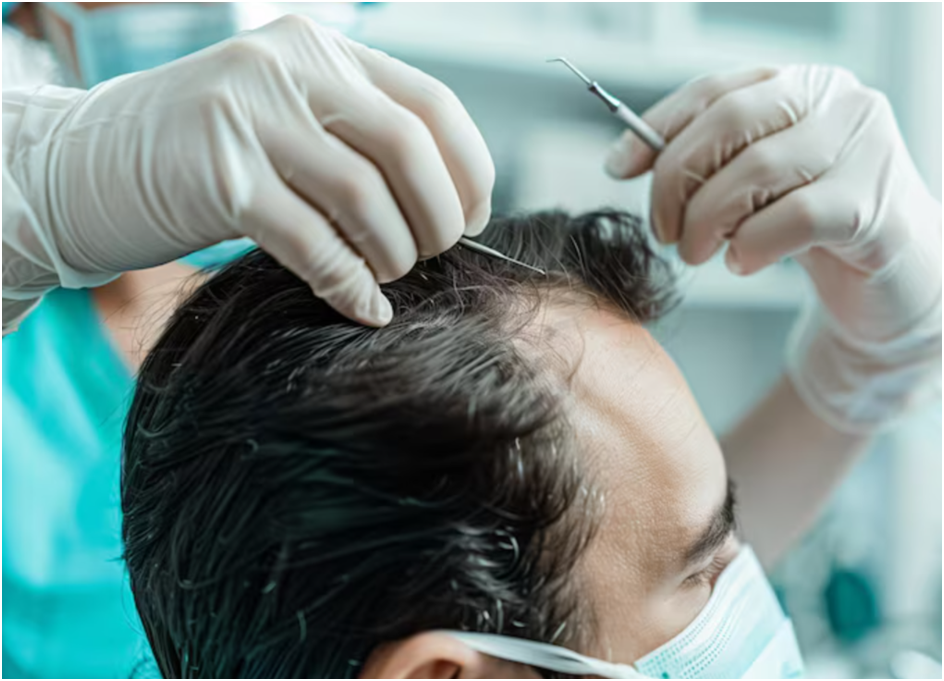
Every successful hair restoration journey begins with a thorough clinical assessment. During this initial meeting, a hair loss practitioner examines your scalp using high-magnification trichoscopy tools. This examination measures hair shaft thickness, donor area capacity, and current follicular miniaturization rates. Specialists also review medical history, lifestyle habits, and previous treatments to identify underlying causes of hair loss.
Establishing Realistic Hairline Goals
A critical component of this consultation involves designing a natural, age-appropriate hairline. The practitioner maps out the proposed hairline directly on your scalp, taking facial symmetry, age, and long-term hair loss progression into account. Patients receive detailed information regarding graft estimates, financial investments, and realistic post-procedure expectations. Honest discussions during this stage prevent unrealistic hopes and ensure that both patient and surgeon share a unified vision. Medical teams also assess candidate suitability by verifying stable donor density and ruling out active scalp conditions. Asking targeted questions about healing timelines and maintenance protocols empowers patients to make confident, well-informed decisions about their long-term hair restoration plans.
Enhancing Hair Restoration with Growth Factor Treatment in Florida
While surgical grafts physically replace lost hair, biological therapies work to strengthen existing follicles and accelerate recovery. Receiving a Growth Factor Treatment in Florida offers an advanced biological solution that harnesses the body’s natural healing mechanisms. This therapy involves isolating concentrated proteins and cytokines from a small blood sample or specialized biological serums and applying them directly to the scalp microenvironment.
Accelerating Recovery and Follicle Retention
These targeted growth factors stimulate dormant hair follicles, extend the active growth phase, and promote microvascular circulation around the hair roots. When paired with hair restoration surgery, this non-invasive therapy reduces post-operative inflammation, encourages faster graft acceptance, and thickens native hair surrounding the transplanted area. Clinical studies demonstrate that active growth signals can increase cellular proliferation around hair bulbs significantly. Many patients also utilize Growth Factor Treatment in Florida as a standalone therapy during early stages of thinning to slow down pattern hair loss without undergoing surgery. Integrating these regenerative protocols into a broader maintenance strategy maximizes overall hair density and long-term follicle health.
What to Expect During the Procedure Day
Understanding the day-of experience helps relieve anxiety and prepares patients for a smooth procedure. Surgical restoration occurs under local anesthesia, ensuring complete comfort throughout the multi-hour process. Patients remain awake, relaxed, and able to take breaks, watch television, or listen to music while the surgical team operates.
The Extraction and Implantation Process
The surgical team begins by preparing the donor region and gently extracting healthy hair follicles. Each harvested graft undergoes careful inspection under high-power microscopes, where technicians sort them by follicle count to ensure precise placement. Next, the surgeon creates tiny, microscopic recipient sites along the marked hairline and thinning regions, carefully controlling the depth, angle, and direction of each site. Selecting a reputable clinic for a hair transplant in Melbourne in Florida ensures that experienced specialists handle every step, placing grafts with artistic precision to mirror natural growth patterns. Proper site placement guarantees that new hair grows at natural angles, blending seamlessly with surrounding existing hair.
Recovery, Timeline, and Long-Term Results
Post-operative care plays a crucial role in securing optimal hair graft retention and overall aesthetic success. Immediately after surgery, minor redness, mild swelling, and tiny scabs form around the recipient sites. Following precise washing guidelines and protecting the scalp from direct sunlight during the first two weeks prevents complications. Most patients return to light desk work within three to five days post-procedure.
Timeline of Hair Growth and Maintenance
Around three to four weeks after the procedure, transplanted hair shafts typically drop out—a standard physiological phase known as shock loss. The roots remain healthy and secure under the skin, entering a resting phase before producing new growth around month three or four. Noticeable density improvements emerge between six and nine months, with full mature results visible at the one-year mark. Continuing regular sessions of Growth Factor Treatment in Florida throughout this recovery period nourishes newly emerged hairs and preserves existing native strands against future thinning. Adhering to long-term follow-up visits allows clinicians to track growth milestones and fine-tune ongoing care.
Final Thoughts
Achieving lasting hair density requires a combination of expert planning, modern surgical execution, and ongoing regenerative care. From the initial clinical consultation through long-term recovery, taking a proactive, informed approach ensures natural and satisfying results. Choosing to undergo hair restoration in Melbourne provides access to top-tier surgical expertise close to home, while complementary regenerative treatments protect your investment for years to come. By pairing advanced follicle transplantation with proven growth factor therapies, patients can successfully reverse hair thinning and regain full confidence in their appearance.