
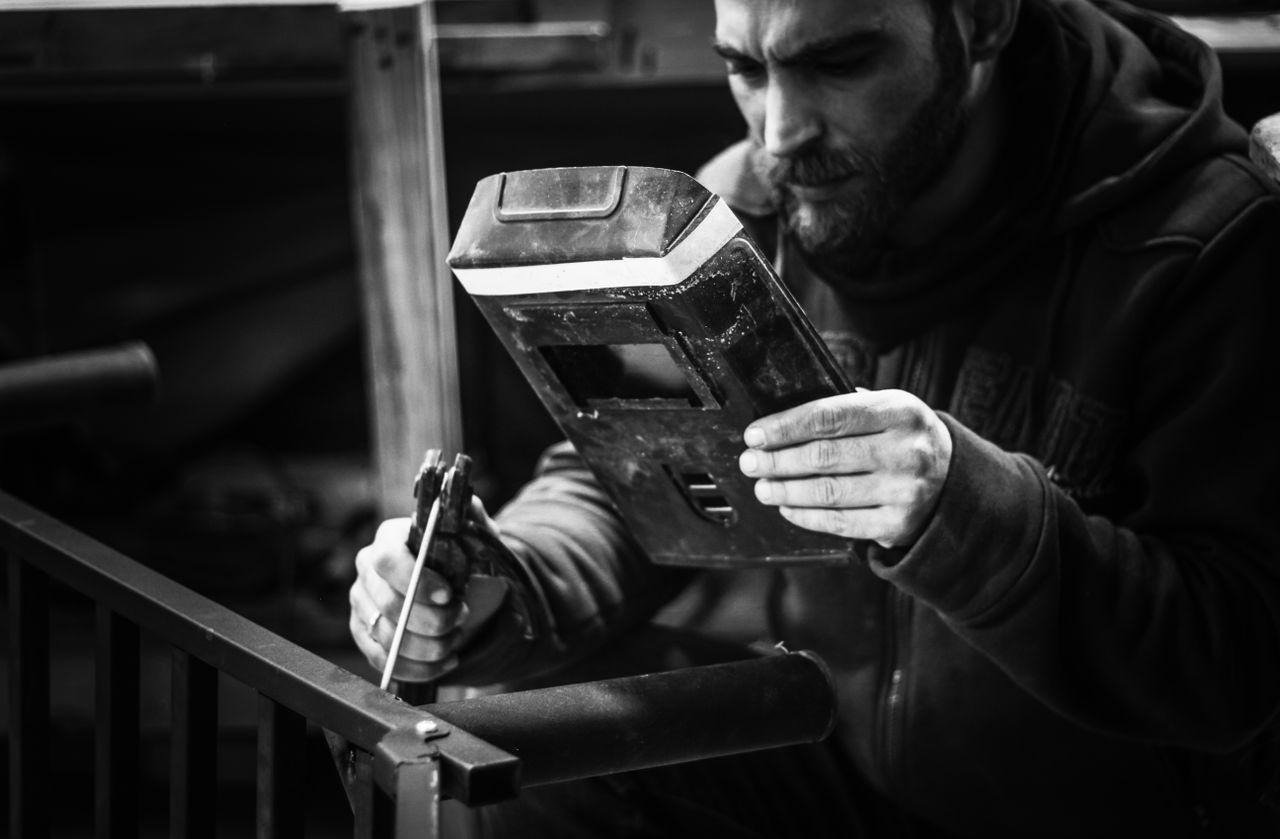
If you step into a commercial fabrication shop today, you’ll notice things look pretty different from how they did a decade ago. The days of relying on brute-force habit, guessing gas flow rates, and pushing worn-out machinery past its expiration date are fading fast. Professional metalworkers are under constant pressure to deliver cleaner welds, maintain tighter tolerances, and keep overhead manageable in a competitive market.
To stay profitable and efficient, forward-thinking shops are quietly retiring some long-standing habits. Here are five outdated workshop practices that professional fabricators are leaving behind—and what they’re doing instead.
1. Sticking to “Standard” Shielding Gas Mixes Out of Habit
For decades, many shops ran whatever general shielding gas was delivered to their floor without questioning it. Straight carbon dioxide or basic 75/25 argon blends were treated as the default for practically every MIG welding project.
Today, fabricators realize that gas composition directly impacts weld penetration, spatter levels, and cleanup time. Modern operators work closely with high-end suppliers to tailor gas blends for specific materials—whether that’s high-purity argon mixtures for TIG stainless or specialized trimixes for high-speed aluminum work. Getting high-grade gas delivered right to the shop floor from a trusted supplier like Josef Gas ensures that precision metalworking isn’t undermined by impure shielding agents or mismatched gas ratios.
2. Delaying Equipment Upgrades Due to Upfront Costs
Running legacy machines until they completely fail used to be viewed as a point of pride. The problem? Old transformers draw massive amounts of power, produce inconsistent arcs, and lack modern pulse features that prevent burn-through on thin metals.
Fabricators are shifting away from the mindset of treating new machinery purely as a giant out-of-pocket hit. Instead, shops regularly leverage flexible financing, equipment leasing, or specialized short-term funding options through platforms like Lamina to upgrade their setup without draining operational liquidity. Upgrading to energy-efficient inverter power sources pays for itself quickly through lower electric bills, faster travel speeds, and reduced rework.
3. Relying on Heavy Grinding Instead of Proper Fit-Up
The old shop maxim “a good welder is a great grinder” is officially dead. Spending hours grinding down heavy spatter or beveling poorly cut joints eats directly into labor costs and shop capacity.
Modern shops invest heavily in precision prep tools—laser cutters, CNC plasma tables, and automated bevelers—to guarantee exact fit-ups before the arc strikes. When parts line up perfectly on the fixture table, welders can focus on fast, clean passes. This shift practically eliminates post-weld grinding and preserves the structural integrity of the base metal.
4. Squinting Through Traditional Passive Welding Helmets
Flipping a fixed-shade helmet down with a neck-snap might look classic, but it’s an outdated habit that causes neck strain and leads to missed arc placements. Experienced fabricators have largely transitioned to advanced gear like miller welding helmets featuring high-definition lens technology and wide field-of-view filters. Being able to see the joint clearly in true color before striking an arc means fewer misfires, cleaner puddle control, and significantly reduced eye fatigue over an eight-hour shift.
5. Treating Shop Safety as an Afterthought
There was a time when a smoky, poorly ventilated shop was accepted as a normal part of the job. Fabricators today know that inhaling hexavalent chromium and heavy welding fumes isn’t just unpleasant—it damages long-term health and drives away skilled talent.
Leading workshops have discarded the “tough it out” attitude. They’re implementing source-capture fume extraction arms, ambient air filtration systems, and proper cylinder storage protocols that protect workers and keep facilities fully compliant with modern environmental safety standards. Taking care of the shop environment directly correlates with higher crew retention and better overall output.
Making these shifts isn’t just about following trends; it’s about building a leaner, safer, and far more reliable fabrication business. Fabricators who adapt their workflows, upgrade their gear, and optimize their supply chains are the ones leading the industry forward.