
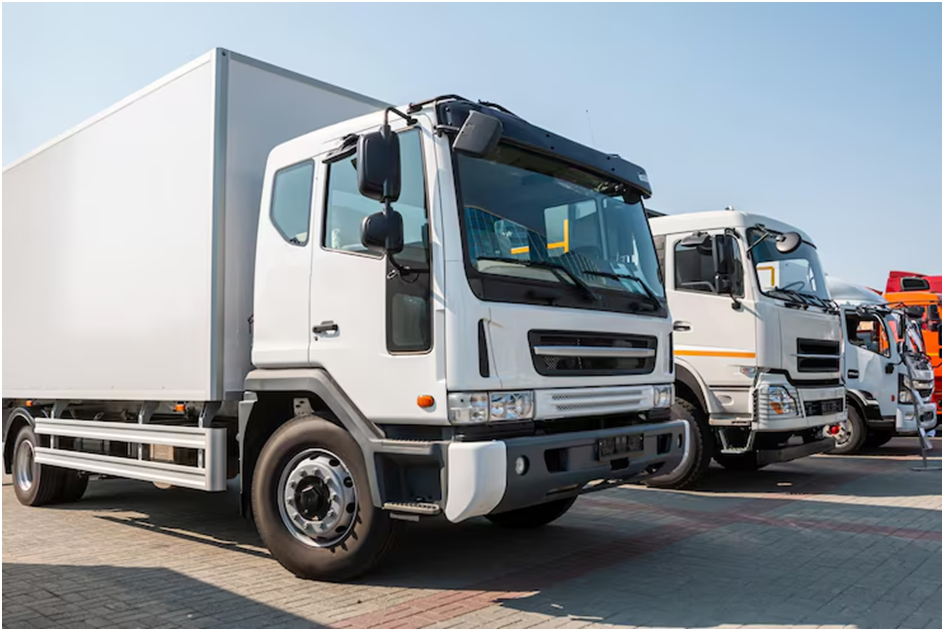
Moving home or relocating commercial equipment between major coastal hubs requires practical preparation and the right transport. Choosing a reliable truck hire in Sydney allows individuals and businesses to handle large moves independently without paying steep removalist fees. Whether shifting a small studio apartment along the East Coast or transporting trade gear across regional sectors, renting a commercial vehicle offers unmatched flexibility. However, local traffic conditions, urban clearance limits, and varying rental terms require careful consideration. This guide examines the essential aspects of hiring a moving truck across New South Wales and Queensland, helping you secure the right vehicle, manage expenses, and plan a seamless relocation.
Selecting the Ideal Vehicle Size for Your Move
Selecting an appropriate vehicle size prevents unnecessary expenses and avoids multiple frustrating trips. Standard moving trucks generally range from small 3-tonne pantechs to larger 4.2-metre box trucks equipped with hydraulic tail lifts.
Matching Truck Capacity to Property Size
A standard C-class car licence permits drivers to operate vehicles up to 4.5 tonnes Gross Vehicle Mass (GVM). These models typically provide roughly 18 to 20 cubic metres of cargo space, which easily accommodates a typical two-to-three-bedroom home.
● 3-Tonnes Pantech: Ideal for one-to-two-bedroom apartments and light office relocations.
● 4.2-Metre Box Truck: Suitable for three-bedroom houses, containing large furniture and bulky appliances.
● Utes and Vans: Best for single items, trade tools, or minor studio shifts.
If you pack efficiently using uniform cardboard boxes, straps, and moving blankets, a 4.2-metre truck usually handles standard household items in a single run. For larger four-bedroom homes, you may require a light rigid (LR) licence vehicle to handle the extra volume legally. Choosing a truck with an automatic transmission and a hydraulic lift ramp will save significant physical exertion during loading, especially when moving heavy items like fridges, washing machines, and solid timber wardrobes.
Cost Factors and Rental Rates in Major Cities
Understanding local pricing structures ensures you remain within budget while securing optimal transport. When booking truck hire in Sydney, base daily rates generally fluctuate depending on vehicle demand, seasonal peaks, and day-of-the-week preferences. Mid-week rentals typically cost less than weekend bookings, making Tuesday or Wednesday ideal for cost-conscious movers.
Managing Excess Kilometres and Fuel Costs
Rental companies structure their contracts with either unlimited kilometres or a daily allowance with per-kilometre charges after exceeding the limit. If you plan an interstate move along the Pacific Highway, calculate total distance carefully to avoid unexpected penalties.
Similarly, securing a truck hire in Gold Coast requires attention to regional fuel prices and toll roads. Most operators provide a full tank of diesel upon collection and require you to return the vehicle fully refuelled.
● Daily Base Rate: Covers standard vehicle rental for a 24-hour window.
● Kilometre Charges: Applies extra fees if driving beyond the agreed daily distance limit.
● Toll Administration Fees: Charged when passing through urban tollways like Sydney’s WestConnex.
Comparing quotes across major providers—such as Hertz, Budget, and Sixt—helps identify hidden costs, such as young driver surcharges or credit card processing fees, ensuring transparent pricing for your journey.
Parking Clearances and Driving Challenges
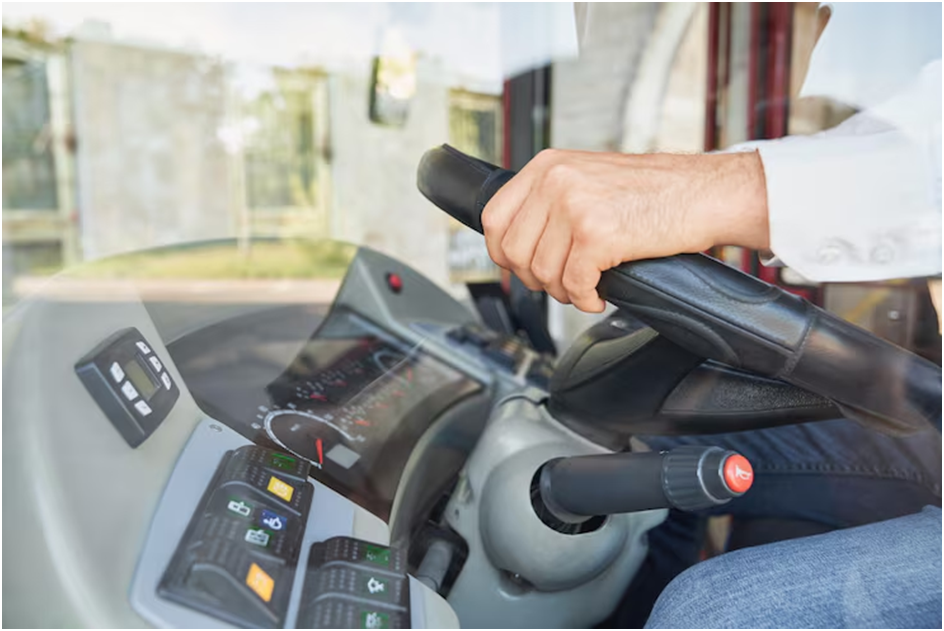
Driving through urban environments presents distinct challenges for drivers accustomed only to passenger cars. Sydney features narrow heritage streets, strict parking zones, and low-clearance bridges, whereas Queensland’s coastal regions present distinct beachside height restrictions and traffic congestion.
Height Clearances and Overhead Hazards
Commercial moving trucks stand considerably taller than standard cars, typically measuring between 3.0 and 3.5 metres high. Drivers must observe overhead signboards around shopping centre carparks, residential apartment driveways, and low railway bridges.
● Low Bridges: Check overhead clearances carefully around inner-west railway lines and suburban underpasses.
● Overhanging Trees: Suburban side streets often feature low tree branches that can damage fiberglass truck roofs.
● Parking Authorisations: Request temporary council permits or reserve loading zones when parking on busy thoroughfares.
Before taking off, adjust your side mirrors properly to manage large blind spots. When reversing into tight driveways, always ask a passenger to stand outside as a spotter to prevent accidental collisions with gutters, overhanging eaves, or letterboxes. Allow longer stopping distances when hauling a fully loaded vehicle, as heavy cargo significantly increases braking times on slippery or steep roads.
Insurance Options and Damage Waivers
Standard car insurance policies rarely cover rental commercial vehicles. Rental agencies include basic damage cover in their initial quote, but standard excess amounts often exceed $5,000 for commercial vehicles.
Reducing Financial Risk with Excess Waivers
Purchasing an optional Excess Reduction waiver lowers your financial liability in the event of an accident or accidental vehicle damage. When organising a commercial vehicle rental, confirm whether the policy covers overhead and underbody damage, as many standard waivers specifically exclude these high-risk areas.
● Basic Cover: Features a high excess fee but keeps initial daily rental charges lower.
● Single Vehicle Accidents: Ensure protection against isolated incidents involving guardrails, poles, or trees.
● Windscreen and Tyre Cover: Safeguards against road debris on long highway stretches.
Similarly, when finalising a truck hire in Gold Coast, check if off-road driving or beachside tracks are strictly excluded from insurance coverage. Photograph all existing scratches, dents, and interior marks during the pre-rental vehicle inspection with company staff. Documenting pre-existing damage ensures you are not held financially responsible upon returning the vehicle key at the end of the rental period.
Essential Equipment and Packing Best Practices
Securing items correctly inside the truck bed is vital to prevent breakage during transport across uneven terrain. Simply placing boxes inside the cargo area leaves them vulnerable to shifting during heavy braking or sudden turns.
Utilising Proper Cargo Control Gear
Most rental depots supply or rent professional moving accessories designed to secure heavy goods safely. Using heavy-duty tie-down straps, moving blankets, and hand trolleys streamlines the loading process while safeguarding your possessions.
● Ratchet Straps: Anchor heavy furniture tightly to wall-mounted tie rails inside the truck interior.
● Furniture Pads: Prevent timber and glass surfaces from rubbing together during transit.
● Two-Wheel Trolleys: Reduce spinal strain when shifting heavy fridges, washing machines, and stackable crates.
Distribute weight evenly across the truck floor to maintain vehicle stability. Position heavier items like washing machines and sofas directly against the front wall near the cab, keeping the centre of gravity low. Fill empty spaces with soft items like mattresses, pillows, or rolled rugs to stop loose objects from tipping over. Taking these structural precautions guarantees your cargo arrives safely at its final destination without sustaining damage.
Conclusion

Planning a smooth move requires selecting the correct commercial vehicle, understanding road rules, and managing logistics efficiently. Obtaining a reliable truck hire in Sydney or booking a practical truck hire in Gold Coast empowers you to control your moving timeline while keeping transport costs manageable. By measuring vehicle clearances, securing comprehensive damage waivers, and utilising proper tie-down straps, you protect both your belongings and your budget. Take time to evaluate local traffic conditions, compare rental quotes thoroughly, and inspect vehicles prior to departure. With the right vehicle and thoughtful preparation, your relocation will proceed safely, efficiently, and hassle-free from start to finish.