Accessing your network dashboard allows you to take control of your internet settings. Many internal systems use private IP address configurations to help users reach their administrative panels. When you enter 172.17.1.10.8090 into your browser, you are trying to connect to a specific local device or local web server on your network. Knowing how this private network address works makes managing your home or office router simple and stress-free.
Overview Table
| Feature | Details |
| Address Type | Private IPv4 with Port Assignment |
| IP Address | 172.17.1.10 |
| Port Number | 8090 |
| Primary Use | Local Network Management, Firewalls, Web Admin Panels |
| Default Username | admin (or check device label) |
| Default Password | admin / password (or check device label) |
| Common Access Issue | Typo in URL format or wrong subnet connection |
Understanding 172.17.1.10.8090 and Local IP Networks
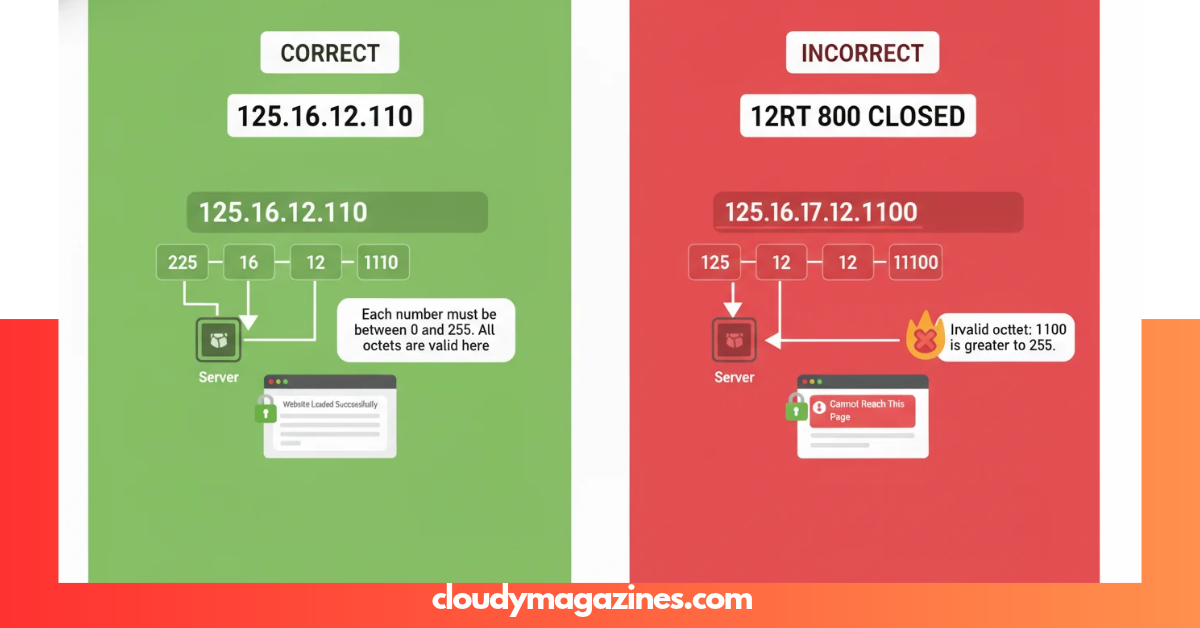
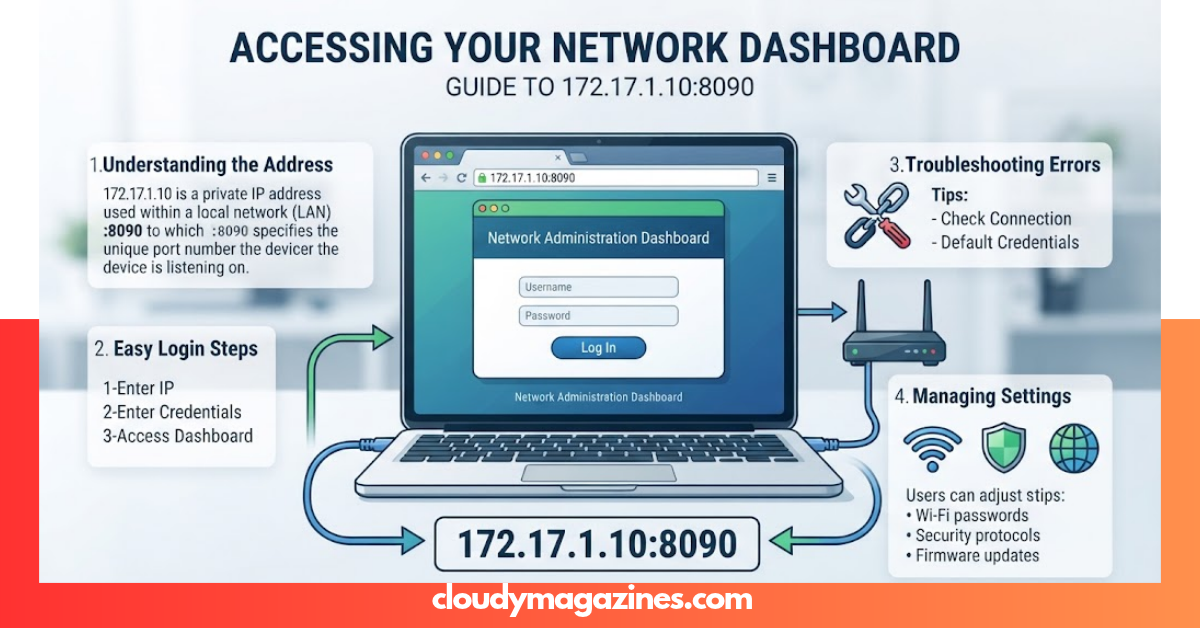
To understand 172.17.1.10.8090, we must split it into two distinct parts. The first part is the IP address 172.17.1.10, which falls into the standard private IP address range. The second part, 8090, is a custom port number. In standard web browsing, typing 172.17.1.10.8090 directly as a single long string with four dots before the port will result in a connection error. You must enter it correctly as [http://172.17.1.10:8090](http://172.17.1.10:8090) using a colon before the port.
Why Modern Networks Rely on Custom Port Numbers
Default web traffic runs on port 80 for regular HTTP and port 443 for secure HTTPS. When network administrators set up web portals, they often assign custom ports like 8090 to avoid conflicting with standard web traffic. Entering 172.17.1.10.8090 in your browser search bar means you want to reach a specific service running on that port. This setup keeps administrative panels hidden from basic web scans on your internal network.
How to Log In to Your Admin Interface Step by Step
Connecting to your administrative console requires just a few basic steps. First, open your preferred web browser like Chrome, Firefox, or Edge. Next, go to the URL bar and type [http://172.17.1.10:8090](http://172.17.1.10:8090) carefully instead of typing 172.17.1.10.8090 into a search engine. Press Enter to load the login page. You will then see prompt boxes asking for your admin username and password to grant entry.
Common Login Problems and Easy Fixes
It can be frustrating when the control page fails to load after typing 172.17.1.10.8090 in your browser address bar. Most issues stem from simple typos, such as using dots instead of a colon before the port number. Another common reason is being connected to the wrong Wi-Fi network. Ensure your computer or smartphone is connected to the exact local network hosted by the device at 172.17.1.10.8090 before trying again.
Configuring Wireless Settings for Better Security
Once logged in, one of the most important tasks is securing your wireless network. Inside the management menu, locate the Wi-Fi settings tab to update your network name (SSID) and passphrase. Avoid using default credentials that came with the device. Changing your login details prevents unauthorized users from accessing 172.17.1.10.8090 and making unwanted changes to your internet setup.
Managing Network Bandwidth and Connected Devices
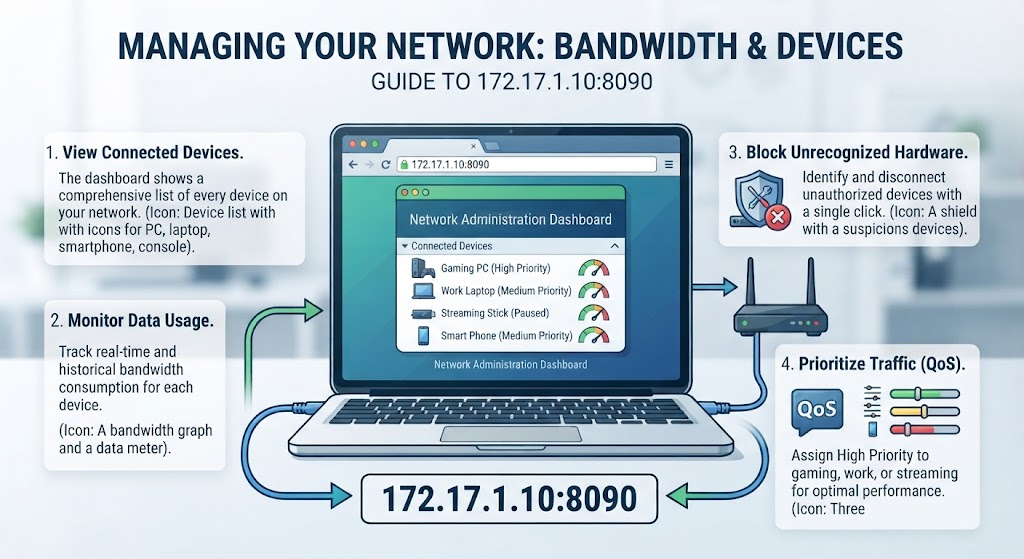
The admin dashboard gives you a full view of every device connected to your router or server. You can monitor data usage, assign static IP addresses, or block unrecognized hardware from using your bandwidth. Navigating through the 172.17.1.10.8090 dashboard allows you to prioritize high-speed connections for work devices, gaming consoles, or streaming hardware to ensure steady internet performance.
Updating Firmware to Keep Your Hardware Safe
Hardware manufacturers regularly release firmware updates to fix security holes and improve overall system stability. When you log into 172.17.1.10.8090, navigate to the System Tools or Maintenance section to check for available updates. Installing the latest firmware ensures your network hardware remains protected against online security threats while operating at peak performance levels daily.
Setting Up Firewall and Security Rules
Your local admin portal acts as the front line of defense for all connected hardware. Through 172.17.1.10.8090, you can configure firewalls, enable parental controls, and create custom access rules. Setting these controls allows you to filter malicious websites, limit screen time for kids, and protect sensitive devices on your home network from external security breaches.
How to Reset Your Router to Factory Defaults
If you forget your custom password and cannot log into 172.17.1.10.8090, performing a factory reset is your best option. Locate the small reset button on the back of your hardware, usually inside a tiny pinhole. Press and hold this button for 10 to 15 seconds using a paperclip until the LED lights blink. This action restores all factory default settings, allowing you to access 172.17.1.10.8090 with standard credentials.
Tips for Maintaining Peak Network Performance
Maintaining a fast and reliable network requires occasional checkups through your management page. Periodically log into 172.17.1.10.8090 to restart your router, clear internal logs, and review connected devices. Placing your router in a central, elevated location away from physical obstructions also works alongside your software tweaks to keep your wireless signal strong in every room.
Frequently Asked Questions
What is the correct way to type 172.17.1.10.8090 in a web browser?
You should type [http://172.17.1.10:8090](http://172.17.1.10:8090) into your web browser’s address bar. Using a colon between the IP address and the port number allows your browser to open the login page properly.
Why does 172.17.1.10.8090 show a page loading error?
This error usually happens due to a formatting mistake, such as putting a dot instead of a colon, or because your device is not connected to the local Wi-Fi network hosting the address.
What are the default login details for this address?
Most networking devices use “admin” for both the username and password by default. You can also find these default details printed on the sticker located on the back or bottom of your physical router.
Can I access 172.17.1.10.8090 from outside my home network?
No, private IP addresses are designed solely for local network communications. You must be directly connected to the local Wi-Fi or Ethernet network to reach the portal unless remote management is configured.
How do I find my router’s actual IP address if this one does not work?
You can open the Command Prompt on Windows and type “ipconfig”, or check network settings on Mac and mobile devices, to locate the default gateway IP address currently assigned to your network.
Is it safe to change settings inside the 172.17.1.10.8090 admin panel?
Yes, it is safe as long as you keep track of the changes you make. If you accidentally break a setting, you can always perform a factory reset to restore the original working configuration.
Conclusion
Taking control of your local network dashboard is one of the simplest ways to secure and speed up your daily internet connection. While typing 172.17.1.10.8090 directly can cause connection errors, entering [http://172.17.1.10:8090](http://172.17.1.10:8090) gives you instant access to your admin settings. From updating your wireless passwords to managing connected devices and keeping your firmware fresh, taking a few minutes to configure your router makes a huge difference.
Have you tried logging into your dashboard today? Start by securing your Wi-Fi password and exploring your network settings. If you ran into any issues or have questions about your setup, leave a comment below or share this guide with someone who needs help fixing their network connection!