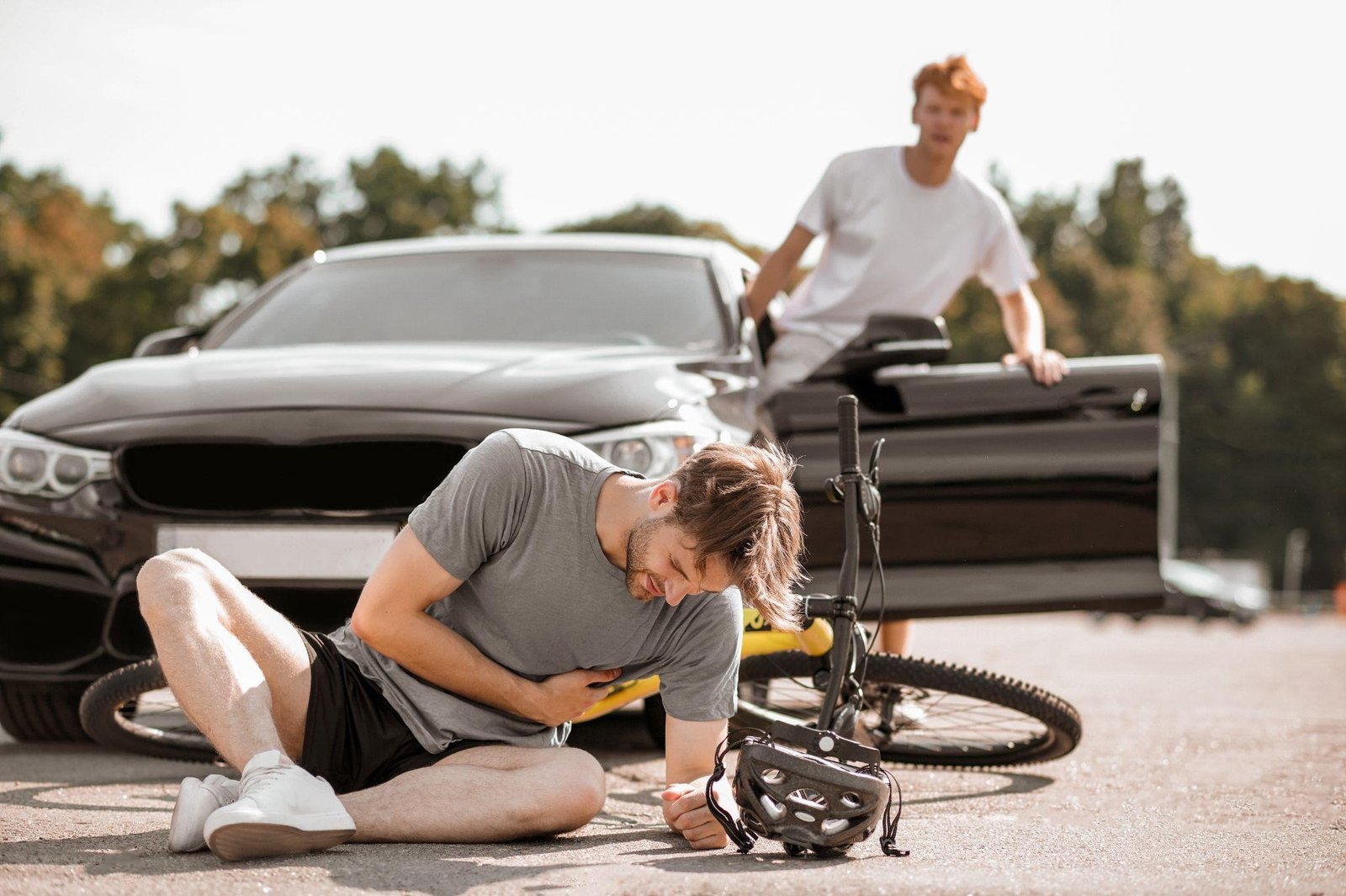
A driver turns left across a bike lane on Southwest 13th Street and never sees you coming. You end up on the pavement with a wrecked bike, a phone full of cracked glass, and a police officer asking what happened. Within a week, an adjuster will ask a different question: what exactly were you riding? That answer, and the paperwork behind it, often matters as much as the collision itself.
Why the Bike’s Own Paperwork Comes First
Insurers treat e-bike crashes differently from ordinary bicycle crashes, and the reason is classification. An electric bicycle under Florida law is a specific thing with specific limits, and anything outside those limits gets argued over as a motor vehicle instead. Riders usually learn this when an E-bike accident attorney in Gainesville starts asking about wattage before asking about injuries.
The definition is narrow. Florida Statutes § 316.003 describes an electric bicycle as a bicycle or tricycle with fully operable pedals, a seat or saddle, and an electric motor of less than 750 watts, falling into one of three classes that stop assisting at either 20 or 28 miles per hour. Fit inside those numbers, and you keep a cyclist’s legal standing, while falling outside them, through a bigger motor or a removed pedal set, shifts the whole conversation.
The Label on Your Frame Is Evidence
Most riders never look at the sticker, and it may be the most useful thing on the bike. Florida Statutes § 316.20655 has required manufacturers and distributors to permanently affix a label showing the classification number, top assisted speed, and motor wattage since January 2021. The same section says an e-bike and its rider are not subject to driver license, registration, title, or financial responsibility laws, and that the bike must meet the federal consumer product requirements for bicycles in 16 CFR part 1512.
- Frame label – photograph the class, wattage, and assisted speed.
- Serial number – usually stamped near the pedal crank housing.
- Purchase receipt – model, date, seller, and price you paid.
- Any changes – a swapped controller, battery, or unlocked speed.
Do Not Let the Bike Get Repaired
The instinct after a crash is to clean up and move on, which destroys proof. A bent fork, a sheared pedal, paint transfer from a bumper, and a snapped light mount all show where the car struck and how hard. Photograph every angle before anyone touches it, then store the bike somewhere dry and leave it exactly as it came off the road.
Modern bikes also carry data. Many systems record trip distance, speed, and assist level in a companion app, and a fitness app or phone health data may show your route and pace in the seconds before impact. Export that history now, because accounts get wiped, phones get replaced, and apps quietly overwrite older rides without any warning.
Records From the Road Itself
Your duties on the road are the same as any cyclist’s, and the adjuster will check whether you met them. Florida Statutes § 316.2065 requires a bicycle in use between sunset and sunrise to carry a front lamp with white light visible from at least 500 feet and a rear lamp and reflector showing red light visible from 600 feet. The same section also states that failing to wear a helmet may not be treated as evidence of negligence, which is worth knowing when someone brings it up.
- Working lights – photos or video proving the lamps still function.
- Crash report – the agency, case number, and officer’s narrative.
- Nearby cameras – storefronts and doorbells along that block.
- Witness details – names and numbers before the scene clears.
Medical Records Still Carry the Claim
Everything above establishes what happened; medical records establish what it cost. Get examined the same day even when nothing seems broken, because head injuries and shoulder damage often announce themselves later. Make sure the chart names the crash as the cause rather than describing generic pain.
Keep every piece of paper the treatment generates. Discharge instructions, imaging reports, therapy notes, work restrictions, and prescription receipts all build the same timeline from different directions. Gaps in that timeline give an insurer room to argue that you recovered fully and then hurt yourself somewhere else, which is a much cheaper story for them to tell.
The Bike Tells a Story Nobody Else Can
Drivers forget details, officers write short narratives, and witnesses scatter within minutes. The bike sits there holding the physical record of the collision, right down to the angle of the handlebars, and almost everyone gets rid of it long before anyone asks. Keep it, photograph it, pull the app data, and save the receipt that proves what it was. Those four steps take an afternoon and cost nothing, and they are the ones nobody thinks of while the pain is still fresh. A claim built on that foundation starts from facts rather than competing memories.