Choosing the right heating system is important for homeowners in Ontario, where long winters and freezing temperatures make reliable indoor heating essential. Two common options are traditional furnaces and boiler heating systems. Although both are designed to keep homes warm, they operate differently and offer distinct advantages in terms of energy efficiency, comfort, installation, and maintenance.
Homeowners experiencing heating problems often start by searching for furnace repair near me Toronto to find a solution. However, if an existing heating system is approaching the end of its lifespan, it may be worth comparing the benefits of repairing it with upgrading to another type of equipment.
Understanding how boilers and furnaces work can help you make a more informed decision. Your property’s existing heating infrastructure, insulation, energy requirements, and long-term operating expenses all play a role in determining which system is the better choice.
How Does a Furnace Work?
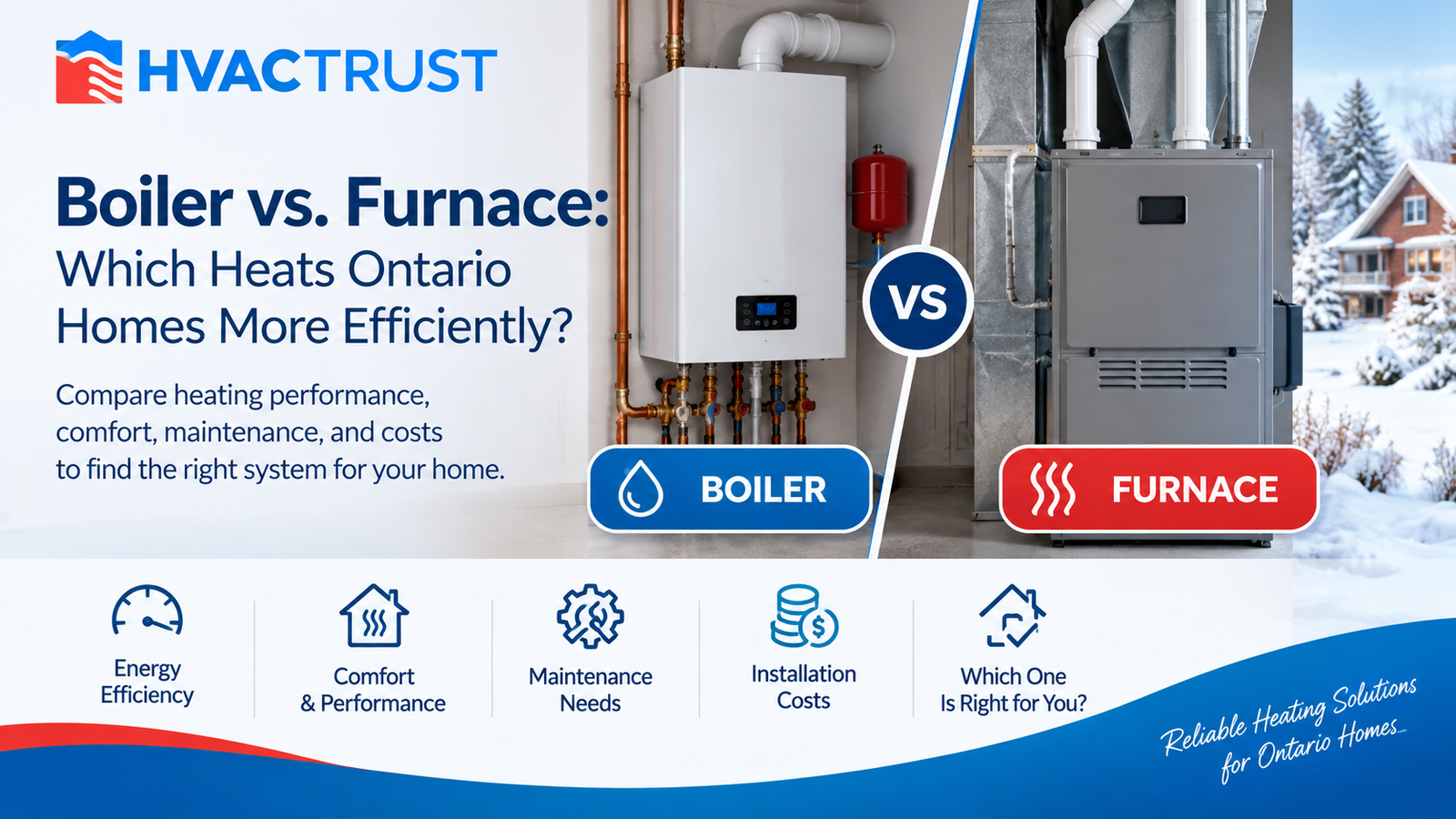
A furnace is a heating appliance that warms air and distributes it throughout a property using a network of ducts and air vents. In many Ontario homes, natural gas furnaces are commonly used because they provide dependable heating and can work alongside central air conditioning equipment.
When the indoor temperature falls below the thermostat setting, the furnace activates its heating cycle. Its burner or heating element generates warmth, which is transferred to the circulating air. A blower motor then pushes the heated air through the ductwork and into different rooms.
Modern furnaces offer several advantages:
- Quick heating: Furnaces can distribute warm air relatively quickly, helping indoor spaces reach the desired temperature.
- Centralized temperature control: A thermostat allows homeowners to manage heating throughout the property.
- Compatibility with air conditioning: Existing ductwork can often support a central cooling system.
- Different efficiency options: Homeowners can choose from various furnace models based on their heating requirements and budget.
However, furnace performance can decline when the equipment is not maintained properly. Dirty filters, damaged components, restricted airflow, and burner problems can affect heating efficiency.
Regular inspections and timely servicing help maintain reliable operation and reduce the likelihood of unexpected breakdowns during winter.
How Does a Boiler Heating System Work?
Unlike a furnace, a boiler does not distribute heated air through ductwork. Instead, it warms water and circulates it through pipes connected to radiators, baseboard heaters, or radiant floor heating systems.
As hot water travels through these components, heat transfers into the surrounding rooms. The water eventually returns to the boiler, where it is heated again before continuing through the circulation system.
Boilers are particularly suitable for properties originally designed around hydronic heating.
Benefits of Boiler Heating
Consistent indoor temperatures: Radiators and radiant floor systems distribute warmth gradually, helping maintain comfortable temperatures throughout the property.
No forced-air ductwork: Boilers do not require traditional air distribution ducts, which can be beneficial for homes without existing duct systems.
Radiant heating options: Underfloor heating can provide comfortable warmth across large areas, making it a popular option for certain residential applications.
Reduced air circulation: Since boilers do not rely on forced-air blowers to distribute heat, they generally create less air movement than conventional furnace systems.
Potential Limitations of Boilers
Despite their advantages, boilers are not suitable for every property.
Installing a boiler in a home originally designed for forced-air heating may require extensive plumbing and heating modifications. Existing radiators, pipes, or radiant floor components also need appropriate maintenance to ensure dependable operation.
Homeowners should consider these installation requirements before deciding to replace an existing furnace with a boiler.
Which System Is More Energy-Efficient: A Boiler or Furnace?
There is no single answer because the efficiency of both systems depends on their design, condition, installation, and operating requirements.
A modern high-efficiency furnace can convert a substantial proportion of its fuel into usable heat. Similarly, a properly installed high-efficiency boiler can deliver excellent heating performance.
When comparing the two systems, homeowners should consider several factors.
1. Equipment Efficiency
The efficiency rating of a furnace or boiler indicates how effectively it converts its energy source into useful heat.
For fuel-burning equipment, AFUE (Annual Fuel Utilization Efficiency) is an important measurement. A higher AFUE rating indicates that a greater percentage of the fuel consumed is converted into heat over the heating season.
Comparing equipment ratings can help homeowners understand potential operating differences before purchasing a replacement system.
2. Property Insulation
The condition of the building can have a significant impact on heating expenses.
Poorly insulated walls, outdated windows, gaps around doors, and air leakage allow indoor warmth to escape. Consequently, both furnaces and boilers may need to operate longer to maintain comfortable temperatures.
Improving insulation and sealing air leaks can reduce heating demand regardless of which system is installed.
3. Installation Quality
Even high-efficiency equipment may underperform when installed incorrectly.
Incorrect equipment sizing, improper ductwork connections, inadequate water circulation, and configuration problems can reduce overall performance.
Professional installation ensures that the equipment is selected and configured according to the property’s heating requirements.
4. Maintenance Condition
Neglected equipment often consumes more energy and becomes increasingly unreliable.
Regular cleaning, inspections, and component servicing help maintain the system’s operating efficiency and identify potential problems before they become expensive repairs.
Which Heating System Provides Better Comfort During Ontario Winters?
Ontario winters can bring prolonged freezing conditions, making consistent indoor heating especially important.
Both furnaces and boilers can provide reliable warmth, but their heating methods create different indoor comfort experiences.
Furnace Heating Performance
Furnaces distribute heated air through vents, allowing rooms to warm up relatively quickly when the heating cycle begins.
This makes them useful for homeowners who prefer rapid temperature adjustments.
Another advantage is their compatibility with central air conditioning. Properties with existing ductwork can often use the same distribution network for both heating and cooling.
However, indoor temperatures can vary depending on duct design, insulation, airflow, and the location of supply vents.
Boiler Heating Performance
Boilers generally provide a different heating experience.
Radiators and radiant floor systems release heat gradually, creating a more consistent temperature throughout the areas they serve.
Radiant floor heating can also provide comfortable warmth underfoot, which many homeowners appreciate during colder months.
However, boiler systems may take longer to respond to thermostat adjustments because water circulation and heating components need time to reach the required temperatures.
Ultimately, the better option depends on your home’s existing infrastructure and personal comfort preferences.
Why Regular Maintenance Matters for Furnaces and Boilers
Regardless of the heating system you choose, routine maintenance is essential for dependable winter performance.
Both systems contain components that require periodic inspection and servicing. Ignoring minor problems can lead to reduced efficiency, unexpected breakdowns, and more expensive repairs.
Essential Furnace Maintenance
A professional furnace inspection may include checking:
- Air filters and airflow restrictions.
- Burners and ignition components.
- Blower motor operation.
- Heat exchanger condition.
- Electrical connections.
- Thermostat performance.
- Safety switches and controls.
Replacing dirty filters and addressing airflow problems can help maintain proper heating performance.
If your furnace produces unusual noises, distributes insufficient heat, or repeatedly switches on and off, professional Furnace repair Toronto services can help identify the underlying problem.
Essential Boiler Maintenance
Boilers require a different maintenance approach because they rely on water circulation rather than forced-air distribution.
A professional inspection may involve examining:
- Water pressure and circulation.
- Pumps and valves.
- Pipes and plumbing connections.
- Expansion tank condition.
- Heat exchanger performance.
- Thermostat and control settings.
- Potential leaks and corrosion.
Regular servicing can help maintain proper water circulation and identify developing problems before they affect the entire heating system.
Boiler vs. Furnace: Which Heating System Is Right for Your Home?
Choosing between a boiler and a furnace requires more than comparing efficiency ratings. Homeowners should consider their property’s current heating arrangement, installation requirements, available space, maintenance needs, and expected operating expenses.
A furnace is often a practical option for properties that already have forced-air ductwork. It can provide rapid heating and work alongside central air conditioning, making it a convenient choice for many Ontario households.
A boiler may be more appropriate for properties with existing radiators, hydronic baseboard heaters, or radiant floor heating. It offers a different type of indoor comfort without relying on forced-air distribution.
Before replacing an existing system, homeowners should also determine whether repairing the current equipment is a more economical solution.
If your furnace is relatively new and experiencing a minor issue, professional servicing may restore its performance without requiring a complete replacement.
On the other hand, an older system with recurring mechanical problems may justify considering an upgrade.
Homeowners exploring HVAC Toronto services should arrange a professional assessment to compare available repair and replacement options. Evaluating the property’s heating requirements can help identify the most practical solution for long-term comfort.
Frequently Asked Questions
1. How can I find reliable HVAC professionals in Toronto for furnace and boiler inspections?
Homeowners should look for experienced HVAC contractors who provide professional furnace and boiler inspections, maintenance, and repair services. Check customer reviews, service experience, licensing requirements, and the company’s ability to work with your specific heating equipment. Requesting a detailed assessment can help identify existing problems and determine whether repairs or replacement are necessary.
2. Which heating system is better for older Toronto homes?
The best system depends on how the property was originally designed. Older homes with existing radiators or hydronic heating may be suitable for boilers, while properties with established forced-air ductwork can benefit from furnaces. Installation requirements, insulation, available space, and heating preferences should all be evaluated before making a decision.
3. Does a boiler heat a home better than a furnace?
Not necessarily. Both systems can provide effective heating when properly sized, installed, and maintained. Boilers distribute warmth through radiators or radiant floors, while furnaces circulate heated air through ductwork. A boiler may offer more consistent radiant comfort, whereas a furnace can warm rooms relatively quickly. The better option depends on the property’s requirements.
4. Is a boiler or furnace better for an Ontario home?
Both systems can be suitable for Ontario’s winter conditions. A furnace is generally convenient for homes with existing ductwork and central air conditioning. A boiler may be preferable for properties with radiators or radiant floor heating. Homeowners should compare equipment efficiency, installation expenses, maintenance requirements, and overall comfort before choosing.
5. How long does a boiler last compared with a furnace?
A properly installed and maintained boiler can often last approximately 15 to 30 years, while many furnaces have an expected lifespan of around 15 to 20 years. Actual equipment lifespan depends on manufacturing quality, maintenance frequency, operating conditions, and installation quality. Regular professional inspections can help extend equipment life.
6. Is a furnace better if my home already has ductwork?
A furnace can be a practical choice for homes with existing forced-air ductwork because it can use the current distribution system to deliver heat. It may also work with compatible central air conditioning equipment. However, the condition and suitability of the existing ductwork should be assessed before installing replacement equipment.
7. How can I improve indoor air quality in my home?
Maintaining clean air filters, scheduling regular HVAC servicing, controlling indoor humidity, and ensuring adequate ventilation can help improve indoor air quality. Homeowners can also consider suitable air filtration systems to reduce airborne particles. Keeping ductwork and heating components clean can further support a healthier indoor environment.