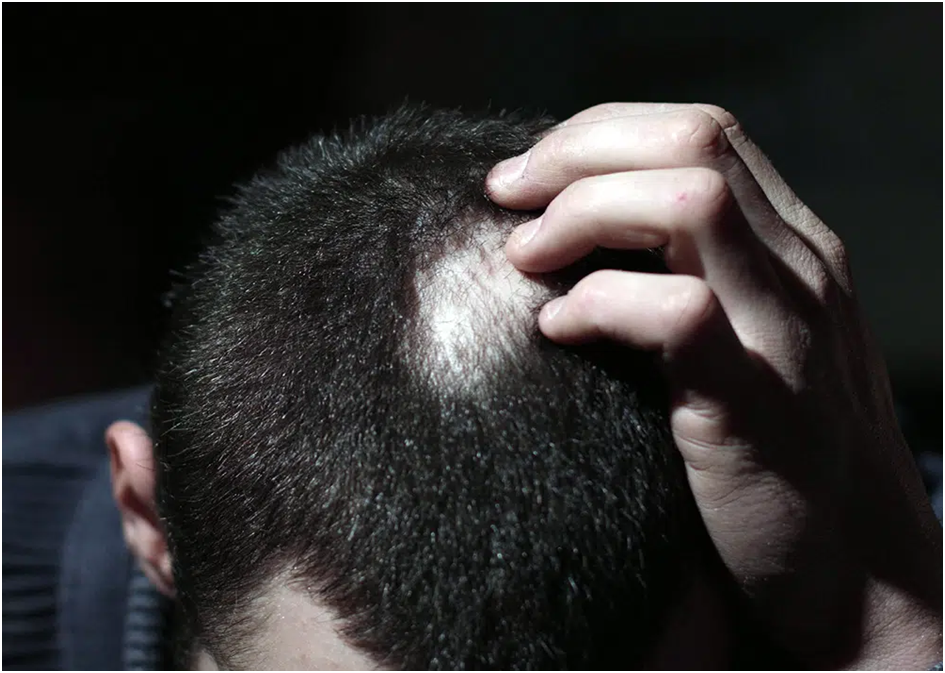
Hair loss affects millions of adults, causing frustration when conventional remedies yield disappointing results. Many individuals struggling with thinning scalp coverage initially turn to standard alopecia treatments in Raleigh, such as topical solutions, prescription medications, or corticosteroid injections. While these conventional methods work for some, others experience plateaued progress, unwanted side effects, or complete treatment failure. When traditional approaches no longer deliver visible growth, patients seek modern medical alternatives that target hair loss at the cellular level. Regenerative medicine offers a promising shift away from daily maintenance routines. Modern hair restoration protocols now leverage advanced cellular messaging to reactivate dormant hair follicles and restore healthy hair density effectively.
The Limitations of Traditional Hair Loss Therapies
The Drawbacks of Daily Medications
Standard options for managing hair loss have existed for decades, yet their efficacy remains inconsistent. Pharmaceutical options like oral finasteride and topical minoxidil require daily, lifelong adherence. The moment a patient stops using them, shedding resumes, often shedding the hair gained during treatment. Furthermore, systemic medications carry potential side effects, including hormonal imbalances and scalp irritation, leading many patients to discontinue use prematurely. Patients frequently find themselves stuck in a cycle of expensive maintenance treatments that yield diminishing returns over time.
Limitations of Blood-Derived Solutions
Corticosteroid injections and platelet-rich plasma (PRP) therapy serve as common alopecia treatments in Raleigh for inflammatory shedding and androgenetic alopecia. However, PRP relies entirely on the patient’s existing blood quality. If a patient is older, stressed, or dealing with systemic inflammation, their blood plasma may contain lower concentrations of essential growth factors, limiting overall results. Steroid injections can calm autoimmune responses in conditions like alopecia areata, but long-term application risks tissue atrophy and skin thinning without necessarily promoting robust long-term re-growth. These limitations leave a significant gap for patients seeking permanent follicular revitalization.
Understanding How Exosome Therapy Works
The Science of Extracellular Vesicles
Regenerative medicine has transformed aesthetic dermatology through extracellular vesicles known as exosomes. These microscopic sacs act as natural cellular messengers, carrying proteins, messenger RNA, and hundreds of growth factors directly to target tissues. Unlike whole-cell therapies, exosomes contain no cellular DNA, drastically reducing the risk of immune rejection or adverse reactions. By utilizing isolated, purified growth factors, medical providers offer a potent biological stimulus that far surpasses the signaling capability of standard blood-derived plasma therapies.
Reactivating Dormant Follicles
Choosing an exosome hair treatment in Raleigh provides patients with concentrated signals derived from mesenchymal stem cells. When injected into targeted areas of the scalp, these vesicles communicate directly with dermal papilla cells. The signaling cascade triggers dormant hair follicles to transition from the telogen (resting) phase back into the anagen (active growth) phase. Additionally, exosomes promote angiogenesis—the formation of new microscopic blood vessels—improving localized circulation and nutrient delivery to the scalp, which calms follicular inflammation while revitalizing miniaturized roots.
Comparing Exosomes to Platelet-Rich Plasma (PRP)
Concentration and Consistency Differences
Many patients evaluating advanced restorative options ask how exosome therapy differs from traditional PRP. While both fall under regenerative care, their underlying mechanisms and potency vary dramatically. PRP requires a blood draw from the patient, followed by centrifugation to isolate plasma. The final product depends entirely on the patient’s age, baseline health, and hydration status, leading to unpredictable outcomes across different sessions.
In contrast, opting for an exosome hair treatment in Raleigh delivers a standardized, hyper-concentrated biological solution. A single exosome application can contain billions of active signaling particles, offering thousands of times more growth factors than a standard PRP injection. Because exosomes do not rely on a patient’s own aging blood cells, the biological signal remains consistently powerful regardless of patient age or health history. Furthermore, PRP protocols typically demand monthly sessions over four to six months, whereas exosome treatments generally require far fewer clinic visits to achieve visible improvements.
What to Expect During Clinical Treatment
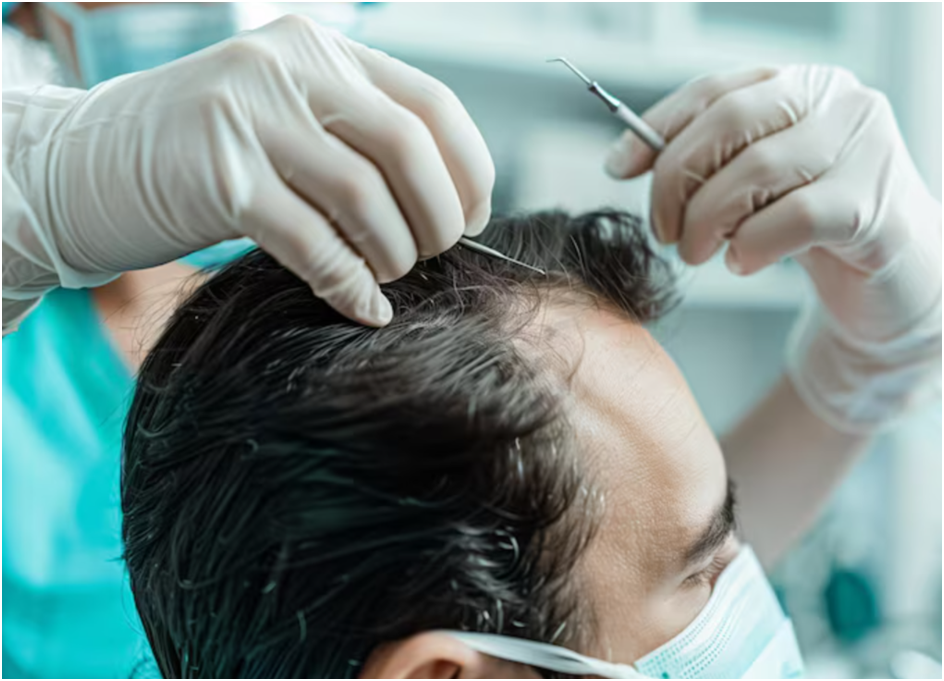
Undergoing regenerative scalp therapy is a straightforward, minimally invasive outpatient procedure. The appointment begins with a thorough scalp evaluation to assess hair density and identify targeted treatment zones. Providers clean the scalp thoroughly and apply a topical local anesthetic to ensure complete patient comfort throughout the session.
Once the scalp is prepped, the clinician precisely injects the purified exosome solution into the dermal layer of affected areas using tiny micro-needles. For those seeking exosome hair treatment in Raleigh, the entire procedure typically takes under one hour. Patients return to their normal daily activities immediately following the session, as recovery involves minimal downtime, minor redness, or slight tenderness that resolves within 24 to 48 hours. Results unfold gradually over several months as cellular signaling takes effect. Initial reductions in daily shedding often appear within two to four weeks. New hair growth and increased strand thickness become visible between three to six months after treatment. For individuals who previously struggled with conventional alopecia treatments in Raleigh, this steady improvement provides a welcome alternative to daily topical applications.
Ideal Candidates and Expected Outcomes
Determining whether regenerative therapy is the right choice involves evaluating the underlying cause and progression of hair loss. Exosome therapy works best for individuals experiencing early to moderate androgenetic alopecia, diffuse thinning, or stress-related telogen effluvium. Because the procedure relies on reactivating living follicles, candidates must still have functional, albeit dormant, hair roots on their scalp.
Men and women noticing a widening part line, receding hairline, or overall reduced density stand to gain the most from this therapeutic approach. It is also beneficial for individuals who experienced intolerable side effects from prescription hair loss medications or found limited success with topical minoxidil. However, individuals with total scarring alopecia or long-standing complete baldness may not achieve optimal results, as completely fibrotic tissue lacks viable follicles to respond to growth signals. A consultation with a qualified hair restoration specialist helps establish realistic expectations and customizes the treatment plan effectively.
Final Thoughts
Struggling with persistent hair loss can impact self-confidence, especially when standard treatments fail to produce noticeable results. Regenerative medicine provides a powerful, science-backed path forward for individuals seeking meaningful scalp restoration. By utilizing targeted cellular signals, exosome therapy addresses the root causes of follicular miniaturization without requiring daily maintenance or painful invasive surgery. If you are tired of temporary fixes and want to restore natural hair density, modern cellular therapies offer renewed hope. Consulting with a dedicated restoration professional allows you to evaluate your scalp health and determine if exosome application aligns with your personal goals. Take the first step toward reclaiming vibrant, thicker hair today by learning more about modern regenerative options.