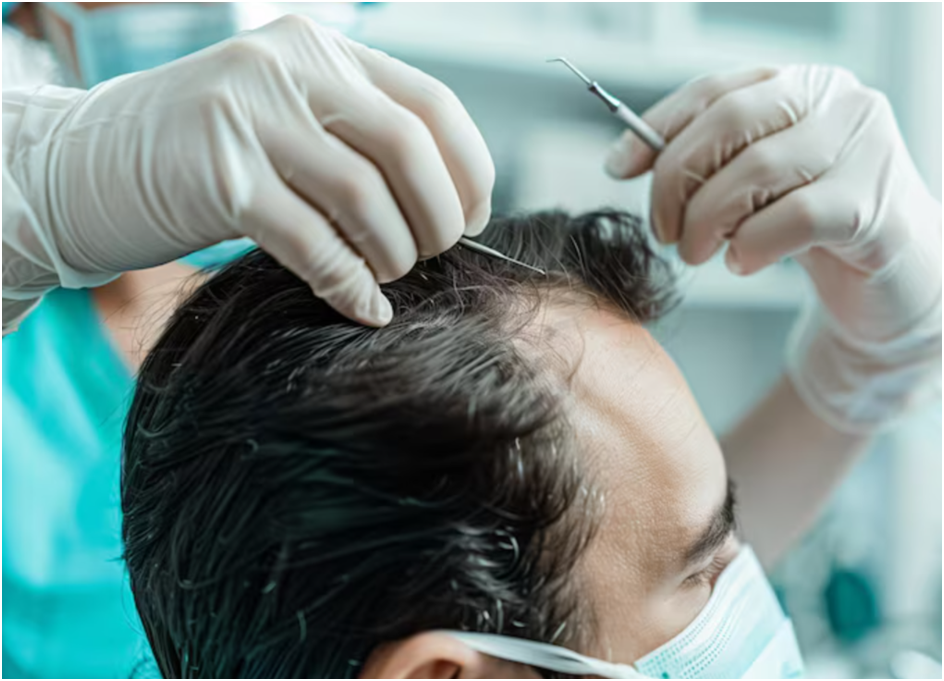
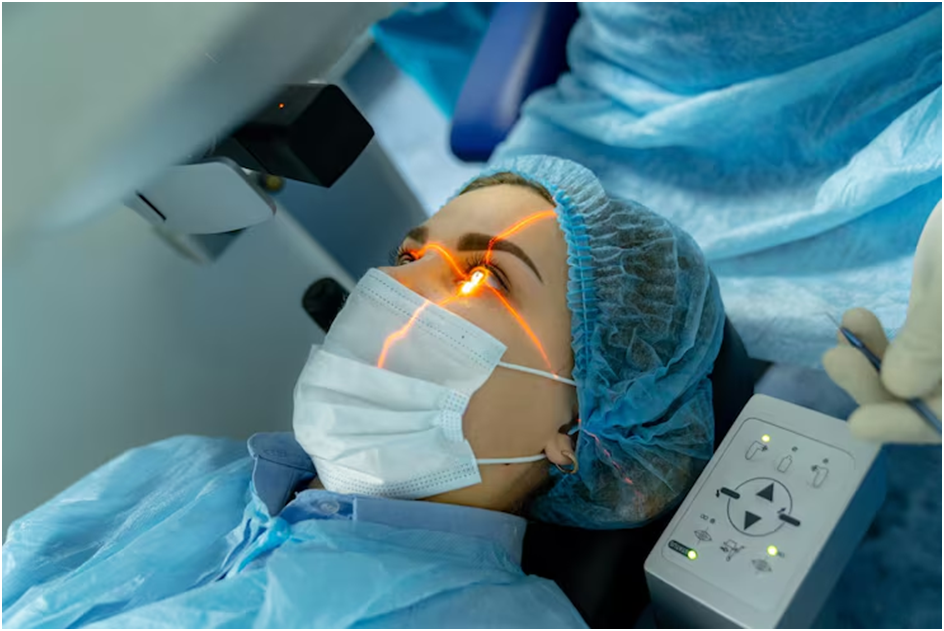
Evaluating ophthalmic options can feel overwhelming when facing vision issues or ocular discomfort. Many South Australians confuse refractive procedures designed to discard glasses with medical interventions required for abnormal tissue growth. Choosing laser eye surgery in Adelaide helps thousands of patients achieve freedom from contact lenses and specs each year by correcting refractive errors like myopia and astigmatism. However, ocular conditions such as surfer’s eye demand an entirely different clinical approach. Seeking effective pterygium treatment in Adelaide addresses uncomfortable lesions caused by ultraviolet exposure rather than focusing on optical modification. Understanding these distinct medical pathways ensures you seek the correct specialist care for your specific ocular needs and long-term visual health.
Refractive Vision Correction Through Laser Technology
Laser refractive surgery alters how light enters the eye by reshaping the cornea. Modern procedures such as LASIK, PRK, and SMILE utilise precise ultraviolet lasers to correct short-sightedness, long-sightedness, and astigmatism. When patients opt for laser eye surgery in Adelaide, an ophthalmologist uses a computer-guided excimer laser to remove microscopic amounts of corneal tissue. This process changes the focal point on the retina, allowing clear vision without corrective eyewear.
Common Refractive Techniques
Refractive procedures cater to different corneal thicknesses and lifestyle choices:
● LASIK: Creates a thin corneal flap before reshaping underlying tissue for rapid visual recovery.
● PRK/ASA: Removes the outer epithelial layer directly, ideal for patients with thinner corneas or active jobs.
● SMILE: A minimally invasive technique using a femtosecond laser to extract a tiny tissue lenticule through a keyhole incision.
Because refractive surgery addresses optical focus rather than diseased tissue, candidates must possess stable vision prescriptions and healthy eyes. Local clinics in South Australia conduct thorough pre-operative scans using corneal topography to confirm candidacy. While the procedure takes less than fifteen minutes per eye, it requires careful screening to minimise risks such as dry eyes or night glare.
Addressing Ocular Lesions with Pterygium Surgery
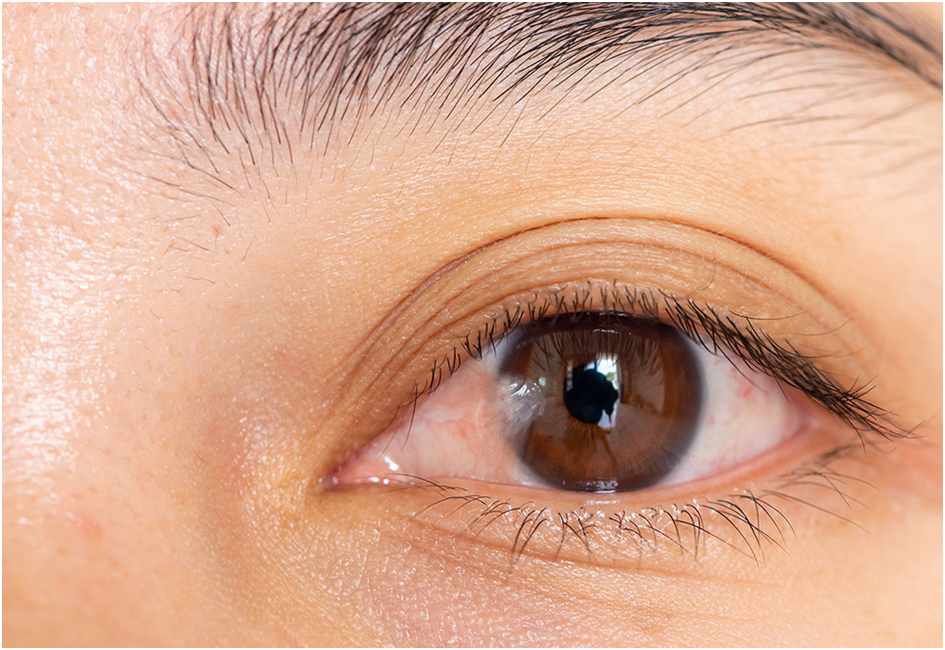
A pterygium is a non-cancerous, wing-shaped growth of conjunctival tissue that extends onto the clear cornea. Often referred to as surfer’s eye, this condition develops primarily from chronic exposure to solar ultraviolet rays, wind, and dust. For residents requiring pterygium treatment in Adelaide, the primary goal is removing the fleshy growth before it obstructs vision or distorts corneal curvature, causing irregular astigmatism.
Modern Surgical Approaches
Surgical removal has advanced significantly beyond simple excision:
● Excision with Conjunctival Autograft: The surgeon removes the lesion and covers the affected sclera with healthy tissue taken from under the patient’s upper eyelid.
● Fibrin Tissue Glue: Specialists secure the graft using dissolvable biological glue instead of traditional sutures, drastically reducing post-operative pain and recovery time.
Unlike optical laser treatments, pterygium removal involves microsurgical excision under local anaesthetic. Modern graft techniques reduce recurrence rates from over fifty percent down to less than two percent. Untreated growths can cause ongoing inflammation, grittiness, redness, and eventually permanent scarring. Consequently, early consultation with a corneal specialist prevents long-term damage to the ocular surface while restoring the natural aesthetic appearance of the eye.
Key Diagnostic and Clinical Differences
Distinguishing between refractive correction and tissue removal highlights why diagnostic evaluations differ drastically between these two conditions. Laser vision correction modifies healthy corneal tissue to improve visual acuity, whereas pterygium surgery removes pathological tissue growth to preserve ocular structure and comfort.
Diagnostic Requirements
Before undergoing laser eye surgery in Adelaide, patients complete diagnostic mapping including wavefront analysis and pachymetry to measure corneal thickness. These detailed tests ensure the cornea can safely undergo laser reshaping without compromising structural integrity. Conversely, patients seeking pterygium treatment in Adelaide undergo biomicroscopic slit-lamp examinations to measure lesion size, vascularity, and proximity to the visual axis.
Primary Treatment Goals
The ultimate objectives of these procedures highlight their distinct medical purposes:
● Laser Surgery: Focuses on optical performance, aiming to eliminate dependence on glasses or lenses.
● Pterygium Surgery: Focuses on disease removal, pain relief, and preventing vision distortion caused by physical blockages.
While both procedures take place in specialised day surgeries across Adelaide, they utilise different equipment, surgical skillsets, and operating environments. Understanding these fundamental variances allows patients to hold informed discussions with their optometrists and attending ophthalmic surgeons during initial consultations.
Suitability, Risks, and Patient Eligibility
Determining eligibility for either procedure requires evaluating individual eye health, age, lifestyle, and environment. Not every patient suffering from blurry vision is a candidate for laser reshaping, nor does every visible eye spot require immediate surgical intervention.
Evaluating Candidate Criteria
Candidates for refractive laser treatment must be at least eighteen years old with a stable prescription for at least twelve months. Conditions such as severe dry eye, keratoconus, or uncontrolled diabetes may disqualify individuals. Conversely, pterygium surgery depends heavily on symptoms rather than age. Small, asymptomatic growths might only require lubricating eye drops and UV-blocking sunglasses. Surgery becomes necessary when the lesion causes persistent irritation, astigmatism, or threatens the central visual line.
Comparing Risk Profiles
Both procedures demonstrate high success rates, yet potential risks differ:
● Refractive Risks: Temporary dry eye, halos around lights, under-correction, or over-correction.
● Pterygium Risks: Risk of lesion recurrence, localised infection, graft dislodgement, or temporary double vision.
South Australian clinics emphasise tailored assessment protocols to mitigate these risks. Pre-surgical evaluations measure teardrop quality, intraocular pressure, and lifestyle factors like outdoor exposure to ensure patients receive the safest, most effective treatment pathway available.
Recovery Protocols and Long-Term Outcomes
Post-operative recovery timelines and aftercare routines vary significantly between laser vision correction and tissue excision. Understanding what to expect helps patients arrange necessary work leave and daily routine adjustments.
Immediate Post-Operative Expectations
Laser vision procedures offer relatively rapid functional recovery. LASIK patients frequently achieve clear vision within twenty-four to forty-eight hours, experiencing mild dryness or discomfort. PRK patients require four to five days as the epithelial layer regenerates. Patients undergo strict post-op regimens involving anti-inflammatory and antibiotic drops.
Following pterygium removal, recovery focuses on tissue healing and graft integration. Patients usually wear an eye patch for the first twenty-four hours to protect the graft site. Foreign body sensations, redness, and mild swelling are common during the first week. Prescribed steroid drops control inflammation and suppress tissue regrowth over several weeks.
Long-Term Visual Maintenance
Long-term outcomes reflect the initial treatment objectives:
● Laser Reshaping: Yields long-lasting refractive stability, though age-related presbyopia may still occur later in life.
● Pterygium Surgery: Provides permanent lesion removal, provided patients wear close-fitting wraparound UV sunglasses outdoors.
Adhering strictly to prescribed eye drop schedules and attending follow-up appointments with your Adelaide ophthalmologist guarantees optimal healing and protects your investment in long-term visual health.
Conclusion
Choosing between corneal laser modification and tissue excision depends entirely on your underlying ocular condition. While laser refractive procedures focus on eliminating dependency on prescription glasses, surgical removal of conjunctival growths protects the ocular surface from structural distortion and ongoing irritation. Consulting an experienced ophthalmic specialist helps clarify your diagnostic findings and guides you toward the appropriate treatment plan. Whether you require advanced refractive correction or targeted surgical pathology care, South Australian clinics offer state-of-the-art technology to support your vision. Prioritising regular eye examinations ensures early detection of surface changes and maintains crystal-clear vision for years to come.