

Managing mental health care requires clarity, especially when persistent low mood masks underlying neurodivergent conditions. Many individuals seeking TMS treatment for depression in Melbourne find that their ongoing depressive symptoms do not tell the whole story. Clinical research shows that attention deficit hyperactivity disorder (ADHD) frequently co-occurs with major depressive disorder in adults. When untreated ADHD drives chronic frustration and burnout, standard anti-depressant therapies often fall short. Seeking an accurate clinical evaluation forms the cornerstone of effective care. Clarifying your neurodevelopmental profile before commencing non-invasive brain stimulation ensures your therapeutic plan addresses the root causes of emotional distress rather than just superficial symptoms.
Understanding the Link Between ADHD and Depressive Symptoms
Recognising Masked Neurodivergence
Living with undiagnosed executive dysfunction creates a repetitive cycle of overwhelm, missed deadlines, and self-criticism. Over time, this secondary strain frequently manifests as mood disorders, making it difficult for clinicians to distinguish between primary clinical depression and secondary emotional exhaustion. Booking a comprehensive ADHD assessment in Melbourne allows psychiatrists and clinical psychologists to differentiate between core neurodevelopmental traits and affective mood disturbances.
Why Traditional Treatments May Stall
When individuals receive treatment solely for depression without addressing underlying attentional difficulties, recovery often plateaus. Anti-depressant medications might elevate mood slightly but leave working memory struggles, impulsivity, and executive dysfunction unresolved. Consequently, patients remain stuck in stressful environments that trigger depressive relapses. Identifying whether executive dysfunction is driving your low mood creates a clearer roadmap for long-term psychological stability.
Victorian mental health clinics utilise standardised diagnostic tools, including the Conners’ Adult ADHD Rating Scales (CAARS) and detailed developmental histories, to pinpoint precise cognitive profiles. Uncovering these underlying mechanisms provides a vital foundation for selecting targeted interventions, ensuring patients do not undergo lengthy treatments aimed at the wrong clinical target.
Why Diagnostic Clarity Precedes TMS Therapy
Optimising Protocols for Targeted Brain Stimulation
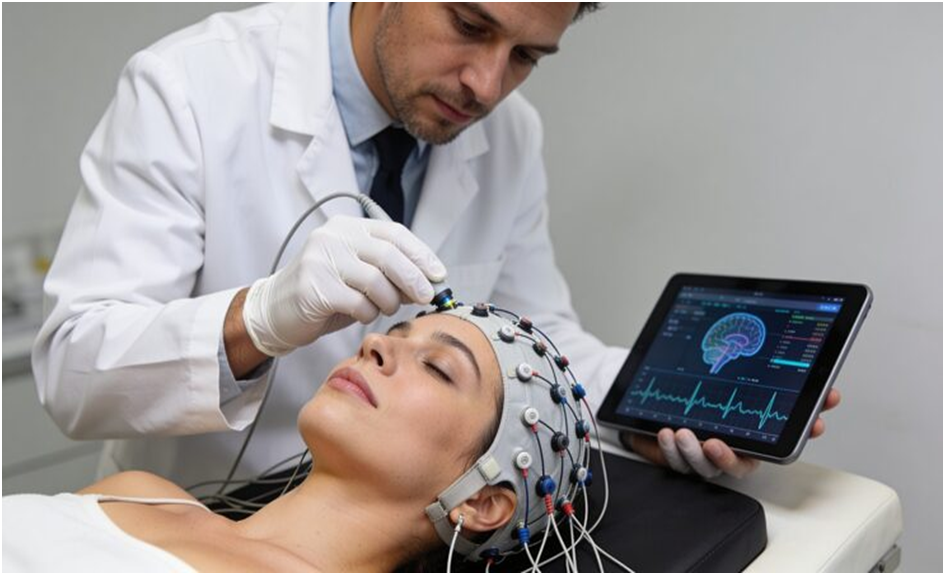
Transcranial Magnetic Stimulation uses focused magnetic pulses to stimulate underactive neural circuits in the dorsolateral prefrontal cortex. While TMS treatment for depression in Melbourne boasts high success rates for treatment-resistant depression, its effectiveness relies heavily on accurate patient selection. If a patient’s primary struggle stems from unmanaged ADHD-related emotional dysregulation, targeting depression circuits alone may yield incomplete relief.
Preventing Misdiagnosis and Treatment Fatigue
Many adults spend years trying different pharmaceutical options with limited success. This trial-and-error approach generates significant emotional fatigue and financial strain. Completing a thorough diagnostic evaluation prior to non-invasive brain stimulation ensures that clinicians tailor the treatment parameters appropriately. For instance, addressing core executive function deficits alongside mood regulation provides a far more robust therapeutic outcome.
Psychiatrists in Melbourne increasingly recommend a two-step diagnostic evaluation. First, clinicians screen for neurodevelopmental conditions to establish a clear baseline. Second, if depression remains a primary or co-occurring driver of distress, they integrate TMS into the broader management strategy. This structured pathway prevents misdirection, saves valuable time, and maximises the therapeutic impact of neurostimulation protocols.
What to Expect During the Assessment Process in Victoria
Initial Consultations and Clinical Interviews
Undergoing a formal ADHD assessment in Melbourne involves several structured stages designed to gather comprehensive historical and current behavioural data. The process typically begins with an initial clinical interview conducted by an experienced psychiatrist or clinical psychologist specialising in adult neurodivergence. During this session, the clinician reviews your medical history, school reports, and current workplace or personal challenges.
Psychometric Testing and Collateral Information
To meet the diagnostic criteria outlined in the DSM-5, clinicians gather collateral information from family members, partners, or long-term friends who can speak to childhood patterns. You will also complete psychometric questionnaires assessing attention span, working memory, emotional regulation, and executive processing speed. Clinics across Melbourne follow strict guidelines established by the Australian ADHD Professionals Association (AADPA) to ensure assessment accuracy.
Following the data gathering phase, your clinician synthesises the findings into a detailed diagnostic report. This document outlines your cognitive profile, highlights specific executive strengths and weaknesses, and recommends actionable interventions. Having a formal report not only provides profound personal clarity but also enables access to tailored medical and psychological support options tailored to your neurotype.
Combining TMS and Executive Function Support
Targeting Neural Pathways for Lasting Relief
Once a clear diagnosis is established, clinicians can structure an integrated care framework. Choosing TMS treatment for depression in Melbourne offers a non-systemic, non-invasive option that avoids the systemic side effects associated with standard oral medications, such as weight gain or sedation. By delivering repetitive magnetic pulses to specific cortical regions, TMS promotes neuroplasticity, helping to re-establish healthy neural connectivity in brain networks responsible for mood regulation.
Addressing Dual Diagnosis Effectively
For patients experiencing both ADHD and major depression, a dual-track approach yields the most sustainable outcomes. While TMS works to alleviate the heavy cloud of clinical depression and restores motivation, concurrent ADHD coaching or targeted pharmacotherapy addresses executive dysfunction, focus, and impulse control.
Combining these modalities ensures that patients gain both the mood elevation needed to engage fully in daily life and the practical cognitive tools required to manage executive demands. Melbourne clinics specialising in interventional psychiatry routinely collaborate with Allied Health professionals, speech pathologists, and occupational therapists to build holistic, multi-disciplinary care pathways tailored to dual-diagnosis patients.
Taking Action: Your Pathway to Comprehensive Care
Securing the Right Referral
Taking the first step toward mental well-being involves establishing a solid primary care connection. Schedule an extended appointment with a General Practitioner (GP) to discuss your symptoms, mood history, and focus struggles. Ask your GP for a Mental Health Care Plan and a formal referral to a psychiatrist or clinical psychologist qualified to perform an ADHD assessment in Melbourne.
Selecting a Qualified Clinic
When selecting a provider, research clinics in Melbourne that offer both neurodevelopmental evaluations and modern interventional psychiatric services, such as TMS. Choosing a facility with expertise in both areas streamlines your care, reducing the need to coordinate between disconnected healthcare providers.
Preparing for Your Consultations

Prepare for your appointments by documenting specific instances where attention difficulties or low mood impacted your daily routine, work productivity, or personal relationships. Gathering past school reports, prior psychiatric assessments, or medical records expedites the diagnostic workflow. Taking proactive control of your diagnostic journey empowers you to receive precise, evidence-based care tailored directly to your unique brain chemistry.
Final Thoughts
Achieving lasting mental health balance requires a precise understanding of your unique neurological architecture. For individuals navigating persistent low mood and unresolved cognitive friction, pursuing an ADHD assessment in Melbourne before embarking on TMS treatment for depression in Melbourne represents a crucial step forward. Clarifying your diagnosis ensures that therapeutic interventions target the true underlying causes of distress, clearing the pathway for meaningful recovery. By combining accurate neurodevelopmental evaluation with advanced, evidence-based brain stimulation techniques, you can build a comprehensive treatment strategy that restores energy, improves daily functioning, and supports long-term emotional resilience.